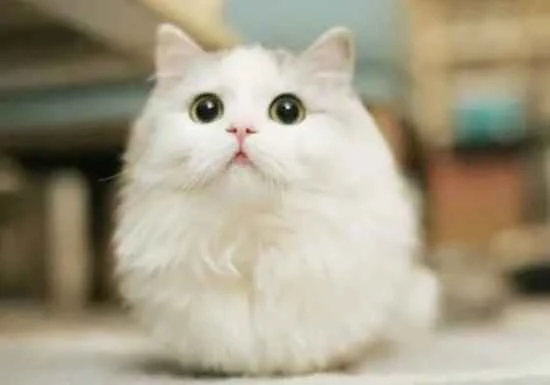
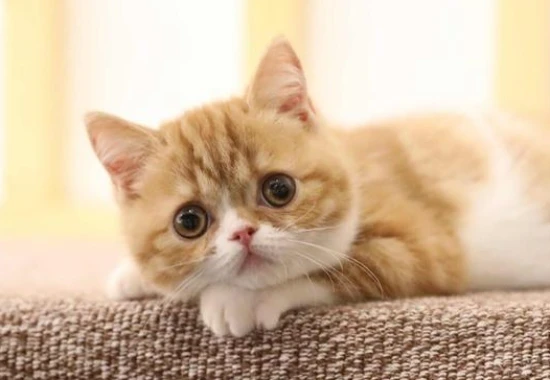
Kitten shedding is a common concern for many cat owners. While shedding is a normal physiological phenomenon in cats, excessive shedding can cause discomfort for the cat and distress for the owner. The causes of shedding are varied and may be related to seasonal changes, health conditions, diet, and environmental factors. Understanding the causes of kitten shedding and corresponding solutions can help effectively manage this issue, keeping your kitten with a healthy coat and a comfortable lifestyle. Let's delve into the causes of kitten shedding and their solutions.
1. Menstrual cycle
Cats shed according to the seasons or their physiological cycles. For example, spring and autumn are the times when cats shed the most as they need to adjust their coats to adapt to temperature changes. During these seasons, shedding is usually normal and nothing to worry about. However, to help cats get through this period, we can take some steps to reduce the discomfort caused by shedding.
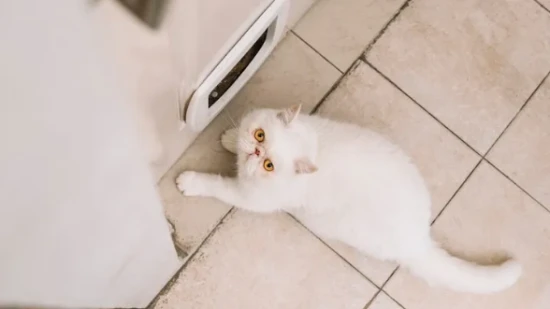
First, regular brushing of your cat's fur is very important. Brushing removes dead skin and fur, reducing the inconvenience caused by shedding. Second, maintaining a balanced diet is also an effective way to reduce shedding. Providing your cat with high-quality cat food and supplementing it with foods rich in vitamins and minerals helps improve the health of your cat's skin and fur, reducing shedding. Additionally, keeping indoor air clean can also reduce the impact of shedding on the environment and your family. Using air purifiers and frequently cleaning your home can reduce the amount of hair and dander suspended in the air, improving indoor air quality.
In general, it's normal for cats to shed during the season or their menstrual cycle, but we can reduce the discomfort caused by shedding through proper care and management, keeping our kittens healthy and comfortable.
2. Illness or health problems
Several diseases or health problems can also cause hair loss in cats, such as skin diseases, parasitic infections, and endocrine disorders. If your cat's hair loss is accompanied by skin redness, itching, or flaking, it is recommended to seek veterinary attention promptly. Skin diseases may be caused by fungi, bacteria, or parasites, and treatment will require antibiotics, antifungal medications, or antiparasitic drugs depending on the specific situation. Parasitic infections are also a common cause of hair loss in cats, and can be prevented and controlled through regular deworming. Endocrine disorders can lead to skin and coat problems in cats; if this is present, appropriate endocrine regulation treatment is necessary.
Besides treating illnesses, shedding can be reduced by improving a cat's living environment and diet. Keeping the indoor environment clean, regularly grooming the cat's fur, and providing a balanced diet all help reduce shedding. Additionally, promptly cleaning and replacing the cat's bedding and toys can also reduce the environmental impact of shedding and keep the home clean.
In conclusion, for cats that are losing fur due to illness or health problems, in addition to seeking timely veterinary treatment, we can also reduce the shedding problem by improving their living environment and dietary habits, so that our kittens can stay healthy and comfortable.
3. Dietary issues
A lack of balanced nutrition or insufficient intake can also cause hair loss in cats. Therefore, providing cats with a balanced diet is key to maintaining healthy fur. Cats need nutrients such as protein, fat, vitamins, and minerals to maintain healthy skin and fur. If a cat's diet is unbalanced or lacks certain nutrients, it can lead to problems such as dull fur and increased shedding.
To address hair loss caused by dietary issues, the following measures can be taken:
1) Ensure that you provide your cat with high-quality cat food. The cat food should contain sufficient nutrients such as protein, fat, vitamins and minerals.
2) Providing cats with fresh food, such as fresh meat, vegetables and fruits, as well as an appropriate amount of cat grass, can help supplement the nutrients that cats need.
3) When feeding cats, pay attention to the variety of their food. You can add some wet food or homemade food to increase the flavor and nutritional value of the food.
4) Regularly supplement your cat with vitamins and minerals, but follow your veterinarian's advice and do not over-supplement.
A proper diet and nutritional supplements can help cats get enough nutrients to maintain healthy skin and fur, reducing shedding problems. If a cat's shedding persists or worsens, it is recommended to seek veterinary attention promptly to identify the cause and take appropriate measures.
4. Environmental factors
Environmental changes or stress can also cause cats to shed, such as seasonal changes, moving, or the arrival of a new family member. These changes can cause stress and anxiety in cats, leading to increased shedding. To address shedding caused by environmental factors, the following measures can be taken:
1) Provide your cat with a quiet and comfortable living environment, reduce external noise and interference, and create a sense of security and stability for your cat.
2) Provide your cat with adequate privacy so it can hide away when needed and reduce stress.
3) Maintain a regular and stable daily routine, including feeding at set times and cleaning the litter box regularly, and minimize sudden changes and uncertainties.
4) Spend more time with your cat, increase interaction and communication with it. Appropriate care and attention can reduce your cat's anxiety and stress.
5) If possible, try to avoid introducing new family members or pets to avoid causing unnecessary stress to the cat.
The methods described above can help cats adapt to environmental changes and stress, reducing shedding problems. If the shedding problem persists or worsens, it is recommended to seek veterinary care promptly to identify the cause and take appropriate measures.
5. Genetic factors
Some cat breeds are naturally more furry or prone to shedding, which may be related to their genetics. For shedding problems caused by genetic factors, we can manage them using the following methods:
1) Regular grooming: For breeds that shed easily, regular grooming can help remove stray hairs and dead skin, reduce hair scattering around the house, and promote blood circulation in the skin to maintain healthy fur.
2) Provide balanced nutrition: Give your cat a balanced diet to ensure healthy fur growth. You can choose a nutritional formula specifically formulated for cats that shed easily.
3) Provide a suitable living environment: Providing cats with a comfortable and quiet living environment, reducing external interference and stress, helps reduce shedding problems.
4) Avoid excessive bathing: Excessive bathing may lead to dry skin and increased hair loss, so frequent bathing should be avoided, and an appropriate bathing frequency should be chosen.
The methods described above can help manage shedding problems in kittens caused by genetic factors, improving their coat health and overall health. If the shedding problem persists or worsens, it is recommended to seek veterinary attention promptly to identify the root cause and take appropriate measures.
6. Lack of daily care
Cats that lack regular grooming and care are prone to problems such as matted fur and hair loss. For kittens experiencing hair loss due to lack of grooming, we can manage the following methods:
1) Regular grooming: Regularly use a comb or brush suitable for cats to groom their fur, helping to remove dead skin and stray hairs, promote blood circulation, and maintain healthy skin and fur.
2) Keep dry and clean: Keeping your cat's living environment dry and clean, avoiding dampness and dirt, helps reduce skin diseases and shedding problems.
3) Provide a proper diet: Giving your cat a balanced diet helps maintain healthy skin and fur and reduces hair loss.
4) Regular check-ups: Taking your cat for regular health check-ups can help detect and address any potential health problems in a timely manner, which can help reduce hair loss caused by health issues.
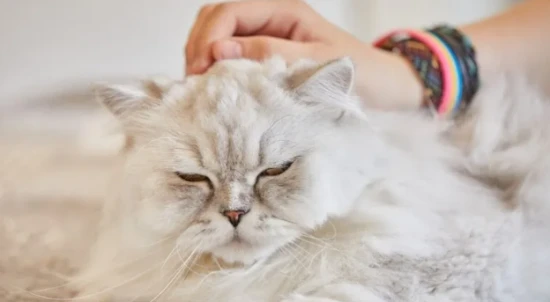
The methods described above can help manage kitten shedding problems caused by a lack of routine grooming, improving the cat's coat health and overall health. If the shedding problem persists or worsens, it is recommended to seek veterinary attention promptly to identify the root cause and take appropriate measures.
In general, shedding is a normal physiological phenomenon in kittens. However, excessive shedding or other abnormal symptoms may require prompt veterinary attention. To help kittens maintain healthy fur, we can take measures such as regular grooming, providing a balanced diet, keeping the indoor air clean, avoiding over-bathing, and using mild shampoo. If the kitten's shedding problem persists or is accompanied by other symptoms, it is recommended to seek veterinary care for professional diagnosis and treatment. With proper care and love, we can help kittens have healthy, shiny fur and improve their quality of life.