A cat's constant meowing can be annoying, but there are actually several reasons behind this behavior. Meowing is a way for cats to express their emotions and needs. To understand why a cat meows incessantly, it's necessary to consider both its physiological and psychological needs.
1. A cat's constant meowing may be due to hunger or thirst.
Cats may meow to express their need for food or water. If a cat meows at regular feeding times, it may be because it is hungry or thirsty. In this case, check that the cat has enough food and water and provide them on time. Alternatively, consider providing an automatic feeder and water dispenser to ensure that food and water are always available. If the cat continues to meow and it is not due to hunger or thirst, other causes may need to be considered, and a veterinarian should be consulted if necessary.
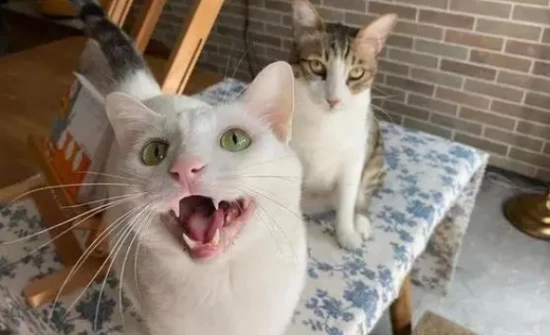
2. A cat's constant meowing might be an attempt to get attention.
A cat may be seeking its owner's attention because it feels lonely, bored, or wants interaction. Cats are social animals and need interaction with their owners and other animals to fulfill their social needs. If your cat is frequently meowing and trying to get your attention, consider increasing the time you spend with it, such as playing, petting, or simple conversation. Providing a variety of toys and activities can also help reduce boredom. Additionally, establishing a regular daily routine and feeding times will help your cat feel safe and secure, reducing unnecessary meowing.
3. A cat's constant meowing may be a sign of affection or a desire for petting.
Cats may meow to express affection for their owners, hoping for petting or companionship. Cats are animals that enjoy being close to humans, and they use meowing to seek their owner's attention and interaction. If a cat tries to approach and rub against its owner while meowing, it usually indicates that it craves closeness and communication. In this case, give the cat plenty of love and petting to satisfy its need for affection. Establishing a good interactive relationship with your cat can strengthen the emotional bond between you and your feline companion, making them feel safe and content.
4. A cat's constant meowing may indicate pain or discomfort.
A cat's meowing can also be due to physical discomfort or pain, such as indigestion or joint pain. Cats often try to express their discomfort by meowing, which may be accompanied by other symptoms such as loss of appetite, abnormal bowel movements, and reduced activity. If a cat's meowing persists and these symptoms appear, it may need to be taken to the vet promptly. A veterinarian can perform a comprehensive physical examination to determine the cause and develop an appropriate treatment plan. Early detection and treatment of potential health problems can help the cat recover quickly, reduce pain, and decrease unnecessary meowing.
5. A cat's constant meowing may indicate illness or aging.
Older or sick cats sometimes cry out due to discomfort. As cats age, their bodily functions gradually decline, making them more susceptible to various health problems such as arthritis, dental issues, and kidney disease. These health problems can cause pain or discomfort in cats, which may manifest as unusual crying behavior. Besides old age, some chronic or acute illnesses can also cause cats to cry out in discomfort. In such cases, timely veterinary attention and professional treatment are crucial. A veterinarian can develop a treatment plan based on the cat's specific condition to help alleviate pain and discomfort and improve their quality of life.
6. A cat's constant meowing may be due to changes in its environment.
Cats may become distressed by changes in their environment, manifesting as meowing. Cats are habit-forming animals and can feel stressed or anxious about changes in their surroundings. For example, moving, changes in family members, or alterations in furniture arrangement can all cause anxiety and discomfort in cats, resulting in unusual meowing behavior. In such cases, gradually introducing changes, providing a sense of security, and maintaining stability in their daily routine can help the cat adapt to the new environment. Providing cats with sufficient security and affection helps reduce their anxiety and decrease meowing behavior.
When dealing with a cat's persistent meowing, it's crucial to consider all possible causes and try to find suitable solutions. Providing sufficient food and water, increasing interaction and affection, or seeking timely veterinary treatment are all important steps in helping cats reduce meowing. By understanding a cat's needs and emotions, we can better care for them and help them live happy and healthy lives.