Welcome to the ranks of cat guardians! Owning a cat is a commitment of love, not a fleeting pleasure. New owners, please think carefully and prepare sufficient supplies and love. Once you decide, please stay by their side and build a warm home together. Reduce stray cats and let every feline relationship remain warm and loving.
Essential Cat Ownership Tips for Beginners

1. It is recommended to adopt kittens that are 3 months or older.
2. Before bringing your cat home, check if it has been vaccinated and what kind of cat food it is eating.
3. Don't rush to pet your new cat when it arrives home to avoid stress. Prepare food and water beforehand.
4. Gathering information on good quality pet hospitals nearby and finding a veterinarian you can contact at any time is highly recommended.
5. Vaccines: Kittens can receive the feline triple vaccine plus a rabies shot at 3 months of age.
6. Deworming: Internal deworming (once every 3 months) + external deworming (once every month), regardless of whether the animal has been outdoors.
7. Do not bathe your cat for a week before or after deworming, as this will affect the effectiveness of the deworming treatment.
8. Try to deworm before vaccination to avoid parasites affecting the vaccine's effectiveness.
9. Heat cycle: Cats go into heat twice a year, in spring and autumn, with each heat cycle lasting about one week.
10. Spaying/Neutering: If there is no intention to breed, the cat can be spayed/neutered after its first heat cycle (the benefits of spaying/neutering outweigh the risks).
11. Stress: Don't disturb it; let the cat calm down in a quiet little space.
12. Vomiting: Observe the vomit, then treat the symptoms accordingly. Withhold food for half a day to avoid increasing the burden on the digestive system.
13. Diarrhea: Dissolve 1/3 packet of montmorillonite powder in warm water, or administer probiotics.
14. Common cold: For sneezing and runny nose, use Propofol and Shuanghuanglian tablets.
15. Ibuprofen, 999 Cold Relief, acetaminophen and chlorpheniramine for children, etc., should never be given to cats.
16. Ringworm in cats: Put a cone on the head, shave the fur in the affected area, disinfect with iodine, apply acetaminophen ointment to the affected area twice a day; supplement with vitamin B, keep the environment clean, and let the cat get plenty of sunshine.
17. Black chin (folliculitis): Apply warm saline solution as a compress, then apply erythromycin ointment, 2-3 times a day.
18. Ear mites: Use ear cleaner + ear lotion, clean daily.
19. Regulate the digestive system: Keep probiotics at home and take them occasionally.
20. Reproduction: Ideally, this should be done after the child is one year old and has completed its development.
21. Plants: Many green plants are toxic to cats and dogs, such as lilies, chrysanthemums, and azaleas.
22. Foods to avoid: chocolate, coffee, candy, etc.
23. A normal cat's nose tip is moist and slightly shiny. If the nose tip is dry, it may indicate a fever.
24. Cats are masters of pain tolerance; pay close attention to your cat's behavior to see if it's in pain.
25. Cats rarely cry; it's usually because they have an eye problem.
26. Observe the appearance of your cat's stool. Normally, it is formed and relatively dry.
27. The most expensive thing about owning a cat is veterinary care; prevention is better than cure!
28. Buy the best quality cat food for your cat, as it's its main source of nutrition.
29. Kittens under 2 months old should be separated from their mother and fed goat milk powder.
30. When the kitten is 2-3 months old, you can use goat milk powder to soak its food as a transition, gradually weaning it off.
31. Do not feed kittens under 6 months old cat treats or canned cat food.
32. When choosing cat food, first check the ingredient list, prioritizing meat. Avoid foods containing grains or palatability enhancers.
33. Cats are naturally reluctant to drink water, so you need to find ways to entice them to drink, such as with their main food or canned food.
34. Once opened, canned food should be consumed within 48 hours; any remaining food should be refrigerated.
35. Freeze-dried chicken can be replaced with boiled chicken breast, which is fresher and healthier.
36. When changing your cat's food, follow the seven-day transition period and avoid abruptly changing their food.
37. Cats can drink milk, but it must be lactose-free milk.
38. Do not feed your cat bones, as they can easily injure its intestines.
39. Foods cats should not eat: onions, chili peppers, mushrooms, spinach, grapes, citrus fruits, persimmons, etc.
40. Feed your cat less dry cat food, treats, and canned food, as this can easily lead to picky eating and obesity.
41. Cats are carnivores and should not eat human food.
42. Choose glass/ceramic cat bowls; they are less likely to cause black chin growth.
43. Avoid products that are overpriced or misleading: hair growth hormones, hair tanning powder, etc.
44. Calcium supplementation for cats: More sunshine + eggshell powder + lactose-free milk
45. Cats groom themselves frequently; planting some cat grass can help prevent hairballs.
46. Do not feed cat grass to kittens under 10 months old or cats with weak digestive systems.
47. Cats shouldn't be bathed frequently; they can actually live their entire lives without ever needing a bath.
48. Note that human shampoo should not be used to bathe cats, and they must be dried thoroughly afterward.
49. Cats shed a lot during the spring and summer seasons.
50. Short-haired cats can be brushed every 1-2 days, while long-haired cats should be brushed daily if possible.
51. When trimming a cat's nails, be careful not to cut the quick.
52. Regularly check and clean your cat's ears to prevent the development of parasites.
53. To clean a cat's ears, use a damp cotton ball or wipe; avoid using cotton swabs as this will only push the ear deeper into the soil.
54. Brush your cat's teeth 1-3 times a week to prevent bad breath, tartar buildup, and other oral health problems.
55. Cat litter should be cleaned daily and completely replaced approximately every 10 days.
56. Buy an open litter box for kittens and wash it about once every 10 days.
57. It is recommended to lay a 5cm thick layer of cat litter, otherwise the feces will not be buried.
58. Cats are very clean animals, so don't put the litter box and cat bowl together.
59. Cat bowls and water bowls should be cleaned every 1-2 days.
60. Unless the cat has a large area of skin disease, you should not shave the entire body of the cat.
61. Cats primarily dissipate heat through the sweat glands on their paw pads.
62. Cats love to sharpen their claws, so prepare a scratching post, otherwise they'll scratch the sofa!
63. For cat grooming, you can feed them boiled egg yolks, fish oil, and vitamin B.
64. In summer, do not use mosquito coils, insecticides, or liquid mosquito repellent to repel insects.
65. Except for hairless cats, which need to wear clothes, other cats don't need to wear clothes as it can feel restrictive.
66. Pet-specific disinfectants can be used for cleaning and disinfection at home.
67. Urine stains can be removed with baking soda or deodorizers containing alkaloids.
68. A cat bed can be a bowl-shaped scratching post or a cardboard box; cats will love it.
69. Camphor balls and phenol-containing cleaning agents such as Dettol are dangerous to cats.
70. Families with cats must seal their windows, as cats jumping out of windows is a common occurrence.
71. Cats don't have a heat cycle; they don't have periods.
72. Male cats have barbs on their genitals, which can cause pain to the female cat during mating. Think twice before breeding them.
73. Cats are colorblind and cannot distinguish red.
74. When a cat licks its paws wet with its tongue and then wipes its face, it's washing its face.
75. A cat's nose print, like a human's fingerprint, is unique.
76. Cats cannot taste sweetness; they rely entirely on their sense of smell to determine whether food is delicious.
77. It's normal for cats to sleep for two-thirds of the day.
78. Playing with your cat before bed can prevent them from engaging in nighttime parkour.
79. When your cat does something wrong, don't hit, scold, or punish it; train your cat scientifically.
80. Do not tease kittens with your fingers, as this can encourage them to bite.
81. Practical cat toys: cat wands and pom-poms
82. Do not pull a cat's tail; pulling hard will affect its balance.
83. Don't trim a cat's whiskers; a cat's whiskers are its measuring stick.
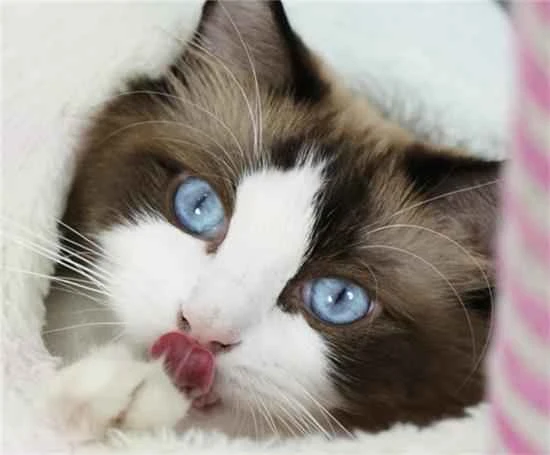
84. A cat's eyes cannot focus at close range; if you get too close, it becomes difficult to see clearly.
85. A cat's emotional signals can be observed from the state of its tail.
86. When a cat nudges you with its butt, it means it completely trusts you.
87. Cats have barbs on their tongues, so when they lick people, it feels prickly.
88. Socialization training: Interact with your kitten frequently by touching it when it is 3 months old.
89. Cats dislike the pungent smells of oranges, tangerines, vinegar, and other strong odors.
90. Sparse fur above a cat's eyes is not a skin disease; it's caused by glands.
91. Male cats also have "nipples," so don't be surprised.
92. If scratched by a cat, first wash the wound with soapy water for 15 minutes, then apply iodine tincture.
93. Cats can also suffer from depression, so don't leave them alone at home for extended periods.
94. Cats have glands in their cheeks that secrete pheromones, allowing them to mark their own scent.
95. Development: Male cats are more prone to developing cheekbones. Development is determined by genes and sex; breeds like Sphynx and Siamese cats do not develop cheekbones.
96. Cats sense the temperature of food through their noses, not their tongues.
97. Cats' hearing is more than three times that of humans and more than 1.5 times that of dogs.
98. Do not put bells on your cats, as they can affect their hearing.
99. Cats enjoy being stroked on their chin, cheeks, and forehead; their belly and paws are sensitive areas.
100. When a cat kneads or purrs, it's a sign of comfort and enjoyment.
If you have any other pet care tips, feel free to share them in the comments section!
Let's work together to safeguard the health of our furry friends!