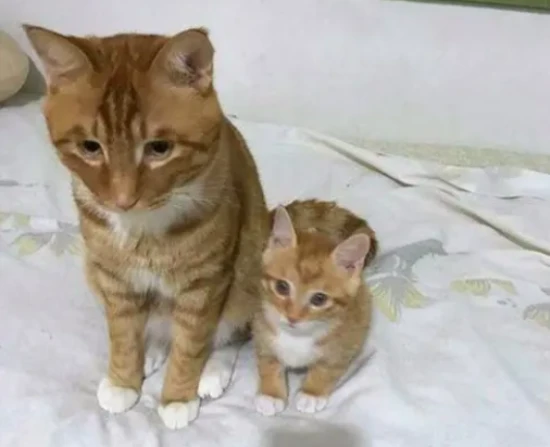
How should I train my cat who has a bad temper and likes to bite?
If your cat has a bad temper and is prone to biting, here are some suggestions for training and correcting this behavior:
1. Avoid triggers: Observe and understand the triggers that cause your cat to bite. Some cats may react strongly to overstimulation or uncomfortable touch. Avoid causing your cat discomfort and anger, and respect their personal space and boundaries.
2. Avoid playing with your fingers: Avoid playing with your fingers or feet, as this may cause your cat to mistake them for toys or prey, leading to biting behavior. Use appropriate cat toys to interact with your cat. A cat wand is highly recommended.
3. Prompt Interruption: If the cat starts biting, immediately stop playing or interacting with it and stop giving it attention. Leave the cat alone for a while so it understands that biting will lead to the end of the interaction. 
4. Provide appropriate chew toys: Provide appropriate chew toys, such as cat sticks, rubber chew toys, etc., so that the cat has an option to release the urge to bite.
5. Socialization and Training: Gradually introduce socialization training to help the cat adapt to interactions with humans and other animals. Reward the cat for correct behaviors through positive reinforcement, such as gentle affection and petting.
My cat is rather introverted, and since a friend of mine has a dog, I wanted to help him build up his courage, so I asked him to bring the dog to my house. I let them get to know each other through the door first, which also helped my cat build up his courage, haha, and make a new friend!
6. Shout loudly to stop: When my cat plays with me, it gets a little carried away and bites me hard. I will shout loudly to stop it. It can sense the anger in my tone and will shut its mouth. Haha, my cat does that. As soon as I shout, it stays in place!
7. Seek professional help: If the biting behavior is severe or continues to worsen, it is recommended to consult a veterinarian or a professional cat behavior counselor. They can assess the cat's condition and provide more specific advice and guidance.
It's important to train patiently and consistently, avoiding punitive methods. Positive training and a suitable environment can help improve a cat's temperament and biting behavior.