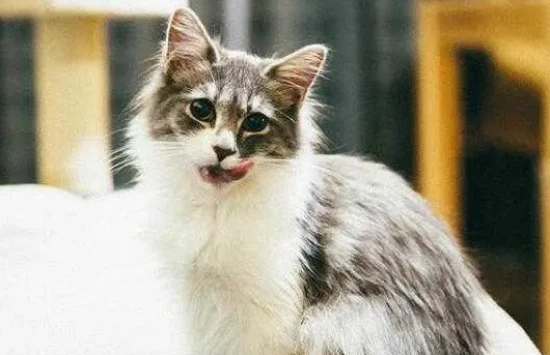
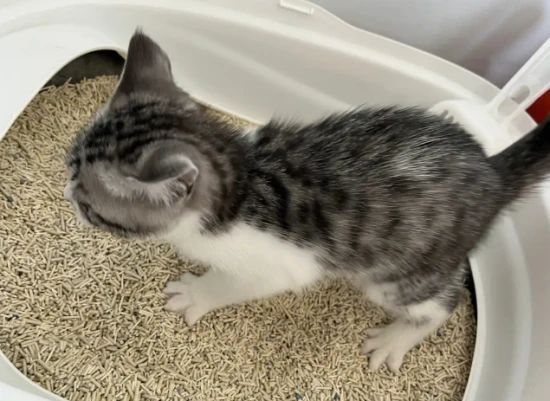
Symptoms of hairballs in cats:
1. When a cat has hairballs, it will vomit frequently, and the vomit will contain hair.
2. If a cat defecates less frequently, or doesn't defecate for many days, and the feces contain hair, it indicates that the cat has hairballs.
3. When a cat's hairballs are severe, its appetite will decrease and it will become lethargic.
4. Cats suffering from hairballs may have swollen abdomens and blocked intestines.
5. The cat's fur may also become rough and dull.
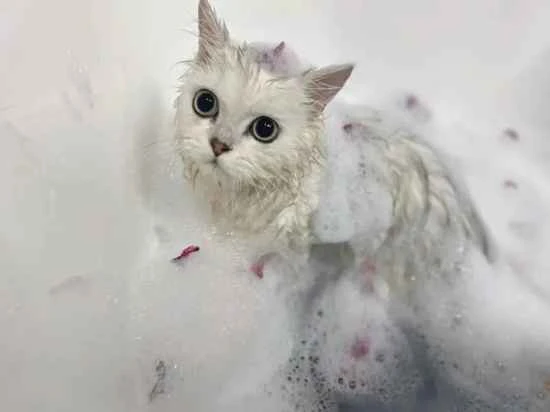
Prevention and treatment of hairballs in cats:
1. To prevent hairballs in cats, you should brush your cat's fur regularly. Brushing promotes blood circulation, reduces shedding, and collects loose hair so that the cat won't inhale too much hair when cleaning itself.
2. Regularly feeding your cat cat grass or hairball remedy is an effective way to prevent hairballs in cats. Both cat grass and hairball remedy can promote intestinal peristalsis in cats, helping them expel hair from their bodies and preventing hair from accumulating inside.
3. Some vegetables and fruits rich in dietary fiber can also help cats with hairballs. Feeding them these foods in moderation can have a good effect. For example, cooked sweet potatoes and pumpkins can not only help with hairballs but also provide nutrition, making their fur shinier and smoother.
4. When a cat suffers from hairballs, the owner can feed it some cat grass, which can promote the cat's gastrointestinal motility and help expel the hair from its body.
5. Some cats don't like to eat cat grass. Pet owners can feed them hairball remedy, which works on the same principle as cat grass and can also help cats expel hair.
6. If a cat's hairballs are severe, with symptoms such as poor appetite, lethargy, frequent vomiting, and severe constipation, and the condition does not improve after eating cat grass and hairball remedy, then surgical removal should be considered.