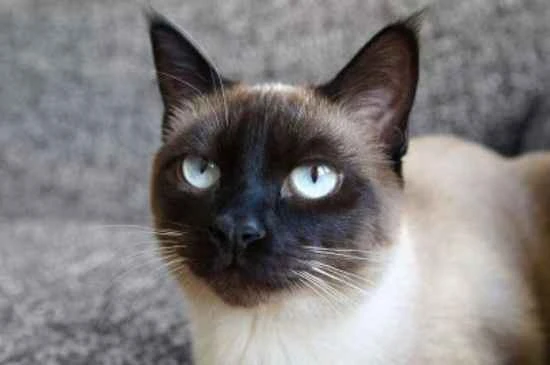
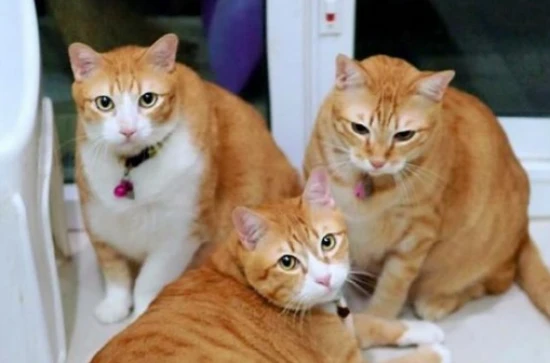
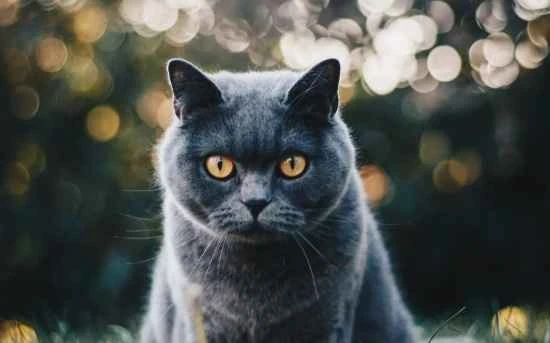
It's normal for cats to eat grass; even in the wild, cats will occasionally graze on various types of grass. A purely meat-based diet cannot provide cats with certain vitamins and minerals needed for growth, so they obtain these from plants. Grass is also rich in fiber, which promotes intestinal motility, aids digestion, and can alleviate indigestion symptoms in cats. Furthermore, grass can help cats expel intestinal parasites by increasing the muscle activity of the digestive tract. Overall, eating grass has certain benefits for cats. 
Precautions for cats eating grass:
1. Not all grasses are edible. Among ornamental plants, many can be harmful to cats. For example, ivy, mistletoe, daffodils, evergreen plants, and lycoris radiata can all cause harm if eaten by cats.
2. Ensure that the grass your cat eats is free of pesticides or other contaminants. If a cat accidentally ingests grass contaminated with pesticides, it may experience adverse reactions, and in severe cases, it could be poisoned and die.
3. It's best not to take your cat to graze in the wild, as the safety of wild grass is hard to guarantee. If your cat needs to expel hairballs, it's recommended to use special cat grass or hairball remedy instead.