Solutions for motion sickness in cats
1. Fasting in advance. An empty stomach can help reduce nausea in cats during car rides and also reduce the need to use the litter box. For healthy cats, fasting can be 6-12 hours in advance. For cats in poor health, fasting can be dangerous, so if your cat is sick before the trip, consult a veterinarian before deciding to fast.
2. Use a carrier. In unfamiliar environments, a relatively small, secluded space can provide cats with a sense of security and make them feel safer. Remember to line the carrier with a thick blanket to make your cat as comfortable as possible during the journey. Training your cat to like the carrier will greatly facilitate taking your cat to the vet and other travel.
3. Carry an old T-shirt or your cat's favorite blanket with you to soothe your cat. Try to keep the car cool and quiet.
4. A favorite toy of your cat. Keeping one of your cat's favorite toys and only letting it play with it when traveling can help your cat establish a connection between travel and fun, making the journey less boring and reducing the stress of long-distance travel. 
Symptoms of motion sickness in cats
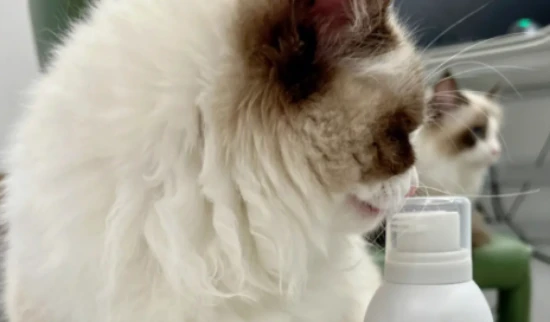
1. Frequently licking its upper lip and making a disgusted expression: Cats licking their upper lip is a common way of showing signs of excessive stress.
2. Vomiting, just like a person, involves churning in the stomach, and it's very possible that you can't hold back from vomiting after just one turn.
3. Meowing or howling incessantly is a common tactic used by cats. When they are unhappy or uncomfortable, they howl loudly to demand to go home.
4. Drooling: Discomfort in the digestive system, which is mainly controlled by the parasympathetic nervous system, can cause cats to drool.
5. Anxiety or weakness may sound contradictory, but cats that get carsick can experience both.
6. Diarrhea is also a symptom caused by digestive system discomfort.