Things to note when buying a cat litter box:
1. The size of the litter box should ideally be twice the length of the cat's body. If it is a closed litter box, pay attention to the height to ensure that the cat has enough space to move around in the litter box.
2. It's best to avoid stainless steel or glass materials, because when cats dig in the litter box, their paws will scratch the litter box, and if it's made of stainless steel, it can easily make a loud noise, which will frighten the cat.
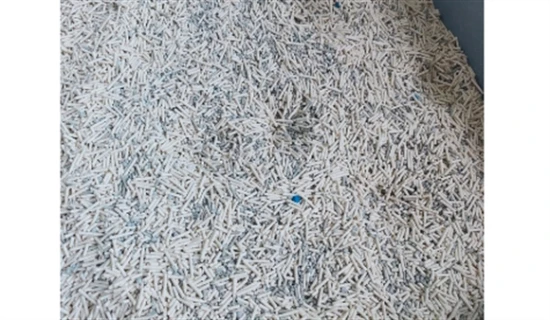
3. When choosing a litter box, you should also consider the type of cat litter. Single-layer litter boxes are suitable for bentonite litter and tofu litter, while crystal litter and zeolite litter require double-layer litter boxes.
Types of cat litter boxes:
1. Open litter box. This is a common type of litter box that can meet the basic needs of cats and does not make them feel restricted. However, it also deprives cats of privacy and makes them more likely to dig litter outside the box.
2. Semi-enclosed litter box. It is slightly higher than an open litter box, which can act as a barrier to prevent the cat from digging the litter outside.
3. Enclosed litter box. These usually have an entrance/exit, either at the top or side. They are suitable for shy cats who don't like being disturbed while using the litter box, and effectively prevent litter from being carried out and odors from spreading. However, don't choose one that's too small, as the cat won't have enough room to move around.
4. Single and double-layer litter boxes. Single-layer litter boxes are suitable for litter types that clump when wet, such as mineral litter, paper litter, clumping wood litter, and tofu litter. These require frequent cleaning to prevent bacterial growth. Double-layer litter boxes are suitable for types that do not clump when wet, such as wood litter and crystal litter. The upper layer contains litter, and the lower layer contains an absorbent pad, preventing waste from accumulating in the box and causing odor and bacteria.
5. Automatic litter boxes. These come in fully automatic and semi-automatic versions. Semi-automatic boxes require manual cleaning of the litter, while fully automatic boxes can be cleaned automatically at set times. They are more convenient, but more expensive and require the use of special litter.