Methods to extend a cat's lifespan:
1. Keep your cat happy. Just like humans, a cat's lifespan is related to its mental health. If a cat is in a state of sadness, tension, or anxiety for a long time, its lifespan will certainly be shorter. Conversely, if a cat is in a happy state for a long time, living a happy life every day, its mood will be better, its body will be healthier, and its lifespan will naturally be longer.
2. Cats don't need to go for walks, but they do need exercise. Pet owners can play with their cats using a cat toy or do some light exercise together to give them some exercise. They can also buy fun toys to increase their cats' exercise time at home. This helps maintain the cat's health, helps them maintain a healthy weight, and prevents them from becoming overweight. 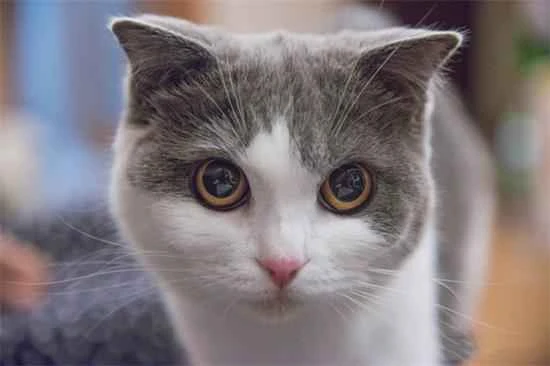
3. Vaccinate your cat on time and deworm it regularly. Deworming can prevent parasite infection, and vaccination is an effective way to prevent serious diseases such as feline infectious peritonitis (FIP) and feline rhinotracheitis. Once contracted, these diseases can have serious or even irreversible effects on a cat's health.
4. Spay or neuter your cat. Generally, the average lifespan of an unneutered cat is 12 years, while the average lifespan of a spayed or neutered cat can reach 14 years. Besides extending a cat's lifespan, spaying or neutering can also help prevent diseases such as pyometra, ovarian cysts, and testicular cancer.
Common feline diseases:
1. Parasitic infection. Cats infected with parasites may experience vomiting, diarrhea, passing worms, and weight loss.
2. Ringworm. This is mostly caused by fungal infection. After infection, oval-shaped tinea patches will appear on the affected area, covered with gray scales, and the fur will become rough.