Food restrictions for Isle of Man cats:
1. Onions. Onions in any form—whether powdered, raw, cooked, or dehydrated—can damage the red blood cells of Isle of Man cats, leading to anemia. Eating a small amount occasionally may not cause problems, but eating large quantities at once or frequently consuming small amounts can lead to onion poisoning in Isle of Man cats.
2. Alcohol. Never, ever play a prank by feeding your Isle of Man cat anything containing alcohol. It will damage their liver and brain, and severe alcohol poisoning can cause rapid death – this is no joke.
3. Grapes and raisins. Even small amounts of grapes and raisins can make cats sick, and may even cause acute kidney failure. Vomiting may occur within 12 hours of ingestion. Other symptoms may appear within 24 hours, including lethargy, diarrhea, loss of appetite, abdominal pain, and decreased urination. 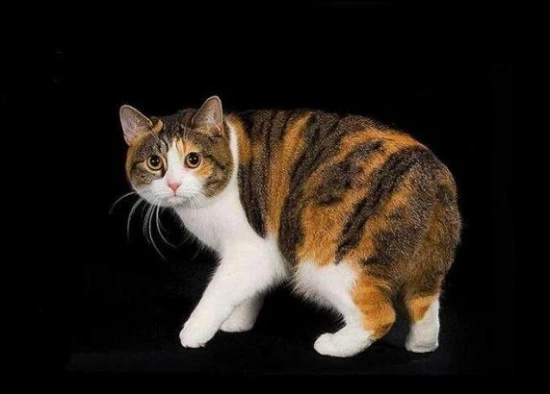
What should Isle of Man cats eat?
1. Staple food: Cats should primarily eat cat food and avoid feeding them too much carbohydrate-rich staple food.
2. Fish: Fish contains a lot of protein, as well as various fatty acids and amino acids, which are very good for a cat's fur. In addition, the taurine in fish has a promoting effect on the photoreceptor cells in a cat's retina.
3. Chicken breast: Chicken breast is a relatively low-fat part of the chicken and is easy to prepare. Chicken breast is a typical high-protein, low-fat food and is rich in vitamins.
4. Cooked egg yolk: Cooked egg yolk is rich in lecithin, which has the effect of beautifying the coat and skin, and is very beneficial to the health of a cat's fur. It is also a rich source of nutrients.
5. Fruits: You can feed your cat small amounts of fruit, such as apples, watermelons, cantaloupes, pineapples, papayas, strawberries, bananas, honeydew melons, etc.