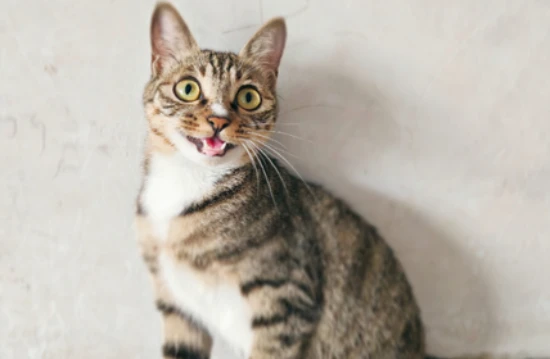
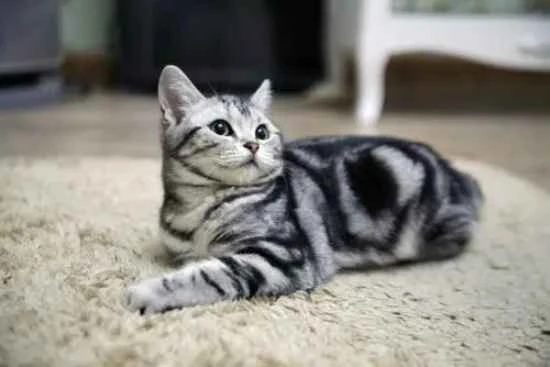
Generally, kittens aged 2 months and older that are healthy and do not exhibit vomiting, diarrhea, sneezing, or severe skin diseases can be vaccinated. This is because vaccines typically use attenuated or inactivated viruses, and vaccinating a kitten when it is unwell can easily cause illness and adverse reactions. Very young kittens still have antibodies from their mother's milk; injecting a vaccine at this age can interfere with these antibodies, rendering the vaccine ineffective. The initial immunization requires three consecutive doses of the feline triple vaccine, with each dose approximately 20 days apart. The rabies vaccine is usually given one week after the third dose. Subsequent booster doses of the feline triple vaccine and the rabies vaccine are typically given annually. 
Precautions for vaccinating cats:
1. Before vaccinating your cat, make sure it is in good health. Check for symptoms such as colds, runny nose, fever, vomiting, diarrhea, loss of appetite, or lethargy. If your cat has parasites or nutritional deficiencies, do not vaccinate it. The better your cat's health, the more effective the vaccine will be.
2. After the cat is vaccinated, the owner should keep the cat warm, strengthen the cat's immunity, and avoid taking the cat out to play.
3. When you first bring your cat home, do not vaccinate it immediately. Let the cat get used to the environment for a while before getting it vaccinated.
4. Do not bathe or take your cat outside during the vaccination period and for a week afterward to avoid viral infection.
5. After vaccination, the cat needs to be observed at the hospital for half an hour before leaving. If the cat has an allergic reaction after vaccination (facial swelling, rapid breathing, itching, etc.), please ask the veterinarian to perform desensitization in time.