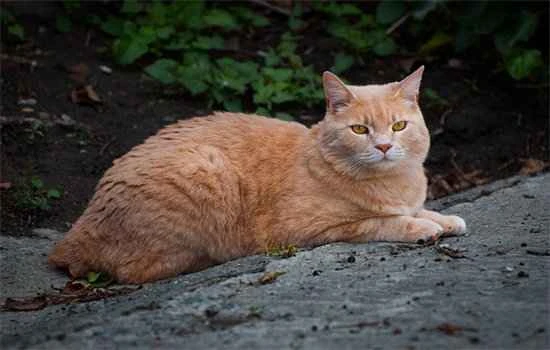
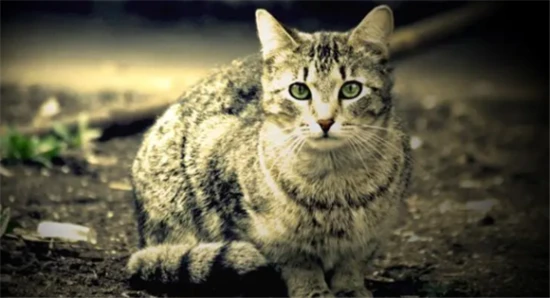
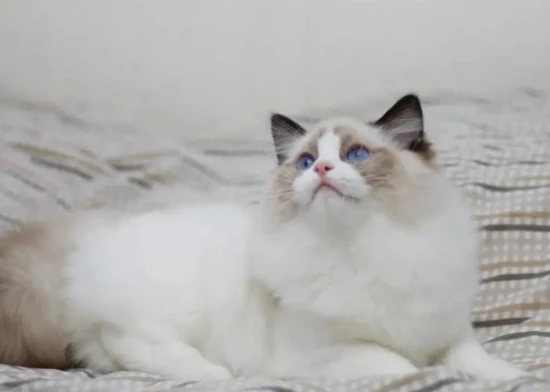
What should I do if my kitten has a lot of eye discharge? When we pick up our kittens and observe them closely, we may notice eye discharge in the corners of their eyes. So, what should we do if our kittens have eye discharge?
First, if it's a normal physiological phenomenon, the cat will only have a small amount of eye discharge at this time, and it's easy to clean—just wipe it with a damp towel. In this case, owners don't need to worry; just continue with daily eye care to protect the cat's eye health. 
Secondly, when a cat is severely inflamed, the amount of eye discharge in the corners of its eyes will increase. It will mostly be dry and pasty, making it difficult to clean. Before cleaning, the eye discharge needs to be moistened and softened, then gently wiped away. Finally, eye diseases such as keratitis, canine distemper, parvovirus, and ingrown eyelashes can also affect a cat's eye health, leading to an abnormal increase in eye discharge. The eye discharge may be sticky, have an odor, and cause the cat's eyes to become red, making it more difficult to clean.
When a cat has dacryocystitis, it will also secrete yellowish-green eye discharge, and the cat will tear up frequently. In this case, you can first use chloramphenicol eye drops, applying a few drops to rinse away the discharge from the corners of the eyes, and then treat it with aureomycin eye ointment.
When a cat's eye is injured, it will secrete more eye discharge around the corner of its eye. At this time, the cat's eye discharge will often appear as dark red, gelatinous discharge, or yellow discharge with blood streaks. In this case, it is best to use pet eye drops, and if necessary, take the cat to a veterinary hospital for examination and treatment.
Other phenomena to note:
1. If your kitten's eye discharge is wet and sticky and often blocks its eyes, then you need to use some medication. This type of eye discharge is generally caused by inflammation due to excessive heat in the kitten. You can apply a small amount of erythromycin ointment to the inner corner of the kitten's eyelid, then gently rub the eyes closed for a few moments (be very gentle) to ensure the ointment is evenly distributed. Aureomycin ointment can also be used. If your kitten is over six months old, you can use norfloxacin eye drops, although this may cause slight irritation to the eyes.
2. If the kitten's eye discharge is dry and minimal, and only appears in the corner of the eye near the nose, it's normal and generally doesn't require any intervention. However, you can use a few eye drops. Erythromycin ointment, tetracycline ointment, and norfloxacin eye drops are inexpensive, costing only a few cents per tube, which is quite economical.
3. If you find that your cat has a lot of dark red, gel-like eye discharge, or yellow eye discharge with blood streaks, it is very likely that your cat has suffered an eye injury, especially if you have more than one cat in the household. You need to trim the nails of all your cats and give the cat with excessive eye discharge eye drops. Depending on the severity of the injury, it should take about three weeks to recover. It's best to use pet-specific eye drops; do not use chloramphenicol, as long-term use of chloramphenicol can have side effects.
4. My cat always has a lot of eye discharge after napping. Could it be sick? Your cat isn't sick; it might just be experiencing some heatiness (a concept in Traditional Chinese Medicine). Don't worry, many cats are like that. My cat also gets a lot of eye discharge after napping. You can just wipe it away with tissue or something similar.
5. When dust or foreign objects get into a cat's eyes, it will tear up or have eye discharge. It will blink frequently to try and expel the foreign object. If there are no other signs of discomfort, observe for 2-3 days. If the cat has returned from outside with an injury, it may have an expression indicating it cannot open its eyes: this could be due to an eye injury from fighting with another cat, or damage to the eyeball or cornea. Immediate veterinary attention is necessary.
6. If a cat has a lot of eye discharge in both eyes, it may have a problem such as filtery rhinitis and should be taken to the vet for treatment as soon as possible.
7. If your Persian or Exotic Shorthair cat has persistently watery eyes and sticky facial wrinkles, you should frequently clean and dry them with cotton balls or tissues, and check for any foreign objects that may be irritating the eyes and causing discharge. If your cat has dark red discharge, you can try applying a diluted (1:4) solution of white vinegar to the affected wrinkles. Do not rinse with water, but dry the area thoroughly. If your cat's eyes are tightly closed due to vinegar irritation and are constantly watering, then rinse them thoroughly with plenty of water. If your cat's skin is severely inflamed for a long period, surgery to reduce the appearance of facial wrinkles is recommended.