What are the dangers of calcium deficiency in cats? How can I supplement my cat's calcium intake?
The main dangers of calcium deficiency in cats include: impaired bone development, dental problems, muscle spasms and convulsions, and potential heart problems. To supplement calcium in cats, you can adjust their diet, add calcium supplements, or follow your veterinarian's advice for appropriate treatment. 
I. The Dangers of Calcium Deficiency in Cats
1. Bone problems: Calcium is the main mineral that makes up bones and teeth. Calcium deficiency can lead to osteoporosis, making a cat's bones brittle and prone to fractures. This is especially true for growing kittens, where calcium deficiency can seriously affect their normal bone development.
2. Dental problems: Calcium deficiency can also affect a cat's dental health, easily leading to problems such as gingivitis and loose teeth, and in severe cases, even tooth loss.
3. Neuromuscular problems: Calcium plays a crucial role in nerve conduction and muscle contraction. Calcium deficiency can cause muscle spasms, twitches, and tremors in cats, symptoms that may worsen after activity.
4. Heart problems: Calcium ions are required for a normal heartbeat. Long-term calcium deficiency may adversely affect a cat's heart function, manifesting as irregular heartbeat, heart failure, and other symptoms.
II. How to supplement calcium for cats
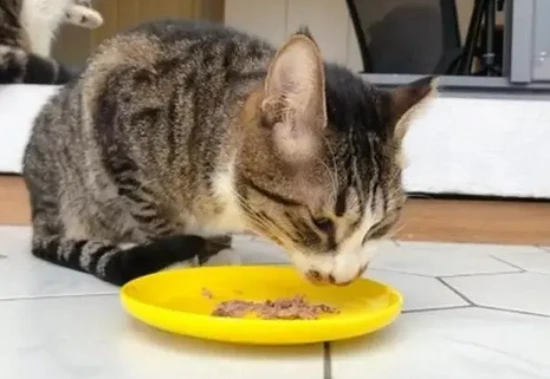
1. Adjust diet: Providing your cat with calcium-rich food is the most direct way to supplement calcium. For example, you can choose cat food rich in calcium, or regularly feed your cat calcium-rich foods such as fish and dairy products.
2. Add calcium supplements: If dietary adjustments cannot meet your cat's calcium needs, you can consider using calcium supplements under the guidance of a veterinarian or pet nutritionist. However, please note that excessive calcium can also burden your cat, so supplementation must be done according to the recommended dosage.
3. Veterinary Treatment: Cats exhibiting severe calcium deficiency symptoms require immediate veterinary attention. The veterinarian may develop a treatment plan based on the cat's specific condition, such as calcium injections or prescribing specific medications to help restore the cat's calcium levels to normal.
Regular veterinary checkups and monitoring are crucial when supplementing calcium for cats to ensure the effectiveness of the supplementation and allow for timely adjustments to the plan. However, excessive calcium can also burden cats; therefore, calcium supplementation should be done under the guidance of a veterinarian or pet nutritionist.