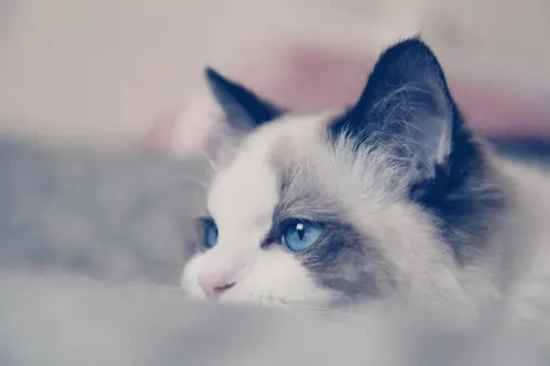
What to do if your Ragdoll cat has soft stools?
1. Observe and recall. First, observe whether the cat's diet is abnormal, whether the food is moldy or spoiled, and whether the cat has any other symptoms.
2. Troubleshooting. Based on your cat's daily habits, make a preliminary assessment of possible causes for their soft stools. If it's a case of soft stools requiring immediate veterinary attention, take your cat to the vet as soon as possible. If it's a case of soft stools that can be managed at home, then perform the following steps:
3. Reduce the burden on the cat's gastrointestinal tract. It is recommended to fast them for 4-8 hours, but not to allow water. During this time, feed them some high-energy, easily digestible food, such as AD prescription canned food, low-fat, easily digestible prescription canned food, or enteric prescription canned food, after consulting a veterinarian.
4. Probiotic conditioning (start simultaneously with step 2). Probiotic preparations containing prebiotics (such as fructooligosaccharides and inulin) can also promote the proliferation of beneficial bacteria in the body and should be given priority!
5. Switch back to the cat's usual food. If the soft stool is caused by a recent change in food, switch the cat back to its previous food and gradually change it again once the stool returns to normal.
Reasons for Ragdoll cats having soft stools
1. Soft stool caused by changing food.
2. Loose stools caused by allergies or food intolerances. The foods with the highest allergy rates are beef, dairy products, and fish.
3. Soft stools caused by stress. New environments or multi-cat households can cause anxiety and stress in your cat.
4. Loose stools caused by indigestion due to improper diet. Eating too much or too fast.
5. Intestinal flora imbalance.
6. Soft stool caused by known medical conditions: intestinal parasitic infection, gastroenteritis, other medical conditions.
7. Soft stool caused by unknown factors: undiagnosed disease, cat swallowing foreign objects, etc.
8. Persistent soft stools: This indicates that home care has been ineffective or even worsens the condition. Note: If soft stools occur between 6 and 8 pm, take your pet to the vet immediately. Do not attempt to treat it at home, as this could worsen the condition and endanger your pet's life.