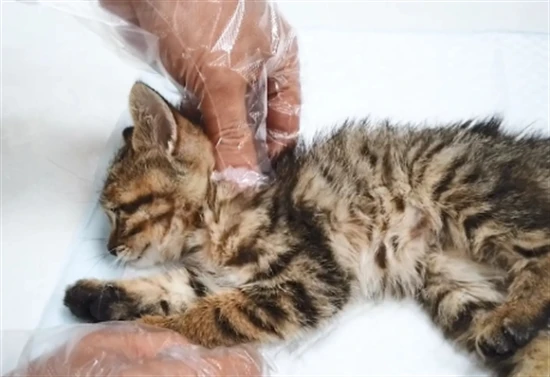
Saliva, medically known as saliva, is the fluid secreted by the major salivary glands (parotid gland, submandibular gland, and sublingual gland) and minor salivary glands in the oral cavity. 
Anything that doesn't taste good—medication, certain foods, or even household items—can trigger excessive drooling. Mouth diseases, gastrointestinal problems, and metabolic disorders, such as kidney failure, can also cause excessive drooling. Sometimes, a foreign object stuck in a cat's throat will also cause drooling.
Saliva plays a role in moisturizing the oral mucosa, killing bacteria, mixing food, and in the initial digestion of starchy foods. Excessive drooling during the day is often related to stomach problems, spleen issues, and kidney problems, mainly due to the allure of food causing saliva secretion disorders. It is recommended to pay attention to your cat's stomach health and ideally take it to a veterinarian for a checkup.
If the cat's condition is not serious, there is generally no need to worry too much; it will get better after a while.