There are four essential details in a cat's life that should not be overlooked. We love our cats just like we love our own children, but many owners often neglect many details while providing them with a good life. For example, a cat's purring and hairballs can actually pose a threat to its health, so we must pay attention to these things for our cat's well-being. 
1. My cat needs to urinate but doesn't move.
If you notice your cat squatting for a long time without urinating, or exhibiting difficulty urinating such as increased frequency of urination, be careful! Your cat may have a urinary tract infection. Symptoms of this condition include hematuria (blood in urine), difficulty urinating, frequent urination, anuria (few urinations), and complete or incomplete urethral obstruction.
There are many causes of urinary tract diseases in cats, mainly including stones, urinary tract obstruction; bacterial infections; trauma; neurological diseases; damage caused during catheterization; and tumors around the urinary tract.
Different types of cats have different susceptibility to the disease. In terms of age, older cats are more likely to get sick – aging cats are getting weaker and need more careful care; in terms of gender, male cats are much more likely to get sick – female cats tend to be cleaner; also, spayed/neutered cats are more prone to illness than non-spayed/neutered cats – spayed/neutered cats are more vulnerable; long-haired cats are more prone to illness than short-haired cats – longer fur means more diseases!
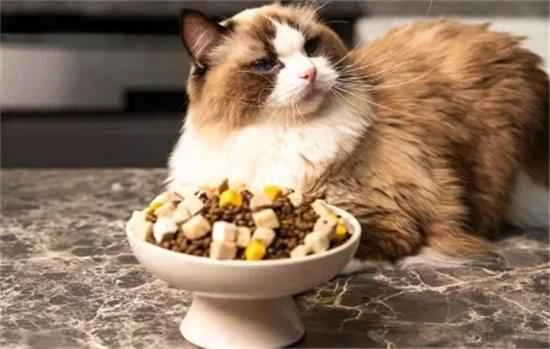
According to veterinarians, cats have a fairly high chance of developing urinary tract diseases, with nearly 10% of cats unfortunately contracting them. Even after treatment, the recurrence rate remains high. Caring for a kitten involves not only providing for its basic needs like food, clothing, and shelter, but also addressing its needs for eating, drinking, and eliminating waste. A little extra care will make your kitten more comfortable.
II. Cats purring
Cats can't speak, and sometimes they can't express their discomfort, so owners need to observe them carefully. Many people might think a cat is sleeping soundly when it purrs, but it could actually be an early sign of a viral infection.
Have you ever noticed that when a cat lies down next to its owner to sleep or is being affectionate, it often makes a continuous "purring" sound? Most people mistakenly believe that this is the cat snoring while sleeping, but in fact, the purring sound is produced by the vibration of the cat's false vocal cords.
From a medical perspective, a cat's larynx is composed of the thyroid cartilage and cricoid cartilage. The laryngeal cavity is divided into three parts: the upper part is the laryngeal vestibule, and the caudal edge is the false vocal cords. The cavity between the false vocal cords and the true vocal cords is the second part of the laryngeal cavity. The third part is the cavity between the vocal cords and the cartilaginous rings, which is very narrow. A cat's purring sound is produced by the vibration of the false vocal cords, resonating through the laryngeal cavity. Actually, cats don't purr when they are asleep. Cats don't purr when playing, when stressed, or when truly asleep. They only purr when they feel content or when they are relaxed and happy in their owner's lap.
Persian cats and adult cats are more pronounced in this regard. Persian cats purr more because of their shorter nasal passages, while adult cats purr because they better understand and appreciate human affection and tenderness. However, if a kitten or adult cat purrs incessantly regardless of the circumstances, it may be due to a respiratory viral infection, and you should take it to the vet for a checkup as soon as possible. 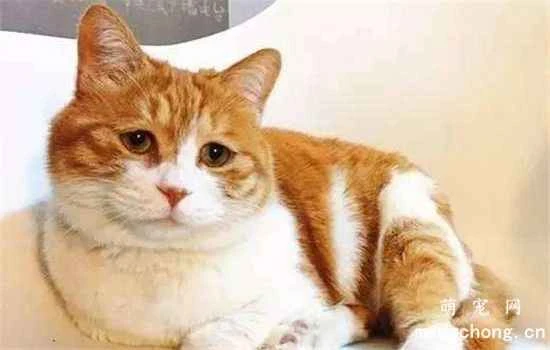
3. Dirty environments can easily cause feline distemper.
Feline panleukopenia, also known as feline distemper, is characterized by a sharp decrease in white blood cells. Cats that are not fully vaccinated or unvaccinated are susceptible to feline panleukopenia, especially kittens aged 3 to 5 months, and it is a very serious disease.
Owners should minimize visits to places with many cats and chaotic environments, such as veterinary hospitals, stray cat communities, and pet markets. Avoid picking up or petting other people's cats, especially those from cat dealers, as feline panleukopenia is airborne and very dangerous. Disinfect the soles of your shoes immediately upon returning home each day and place them out of the kitten's reach, ideally on a closed shoe rack.
Disinfect your home with a mild, non-irritating disinfectant solution to wipe down floors and furniture. Make sure it's mild and non-irritating; for example, Bai'an is a good choice—it's cost-effective and works well. Also, keep your cat warm and don't overfeed it. If your cat refuses to eat, has a fever, or vomits, immediately isolate it from other cats and take it to the vet for examination. Feline distemper is no longer a terminal illness; early detection greatly increases the chances of recovery. Cats are very clean animals. As its owner, understand its needs and respect its temperament; otherwise, it will get angry and upset.
IV. Cats do not have hair when they vomit.
Kittens often lick themselves to clean themselves. After eating, they'll wipe their whiskers with their front paws, and after being held, they'll lick their fur. This is how kittens remove odors and dirt. A cat's tongue has many rough little bumps, making it the perfect tool for removing dirt.
Cat owners should be aware that cats often ingest loose fur while grooming. Over time, this fur accumulates in the cat's body and they will vomit it up. This can be a good thing, though you may not have seen them vomit because they like to hide when they do. If there is no fur in their vomit, there might be a problem, and you should pay closer attention to them.
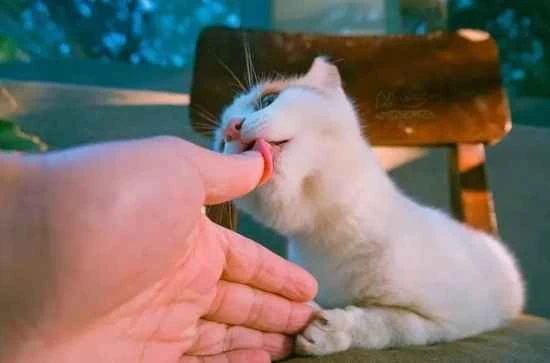
After being petted by their owners, cats will lick the areas where they were petted. Many people mistakenly believe that this is because the cat dislikes being dirty. In fact, the cat is memorizing the scent of its owner because it is worried about not being able to find its owner if it is separated from them.
After reading the above, you should have a better understanding of some seasonal issues related to cats. Cats are very intelligent animals, but they often cannot express their discomfort, so owners need to observe them carefully to ensure their health.