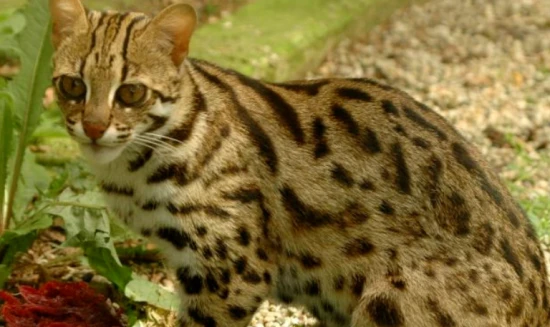
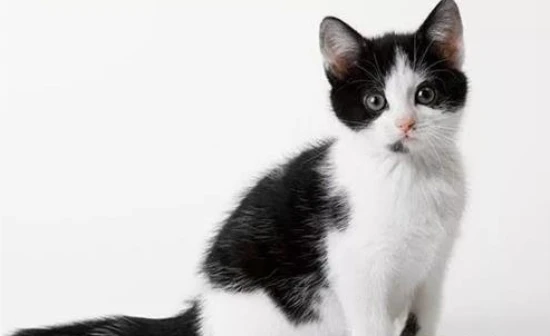
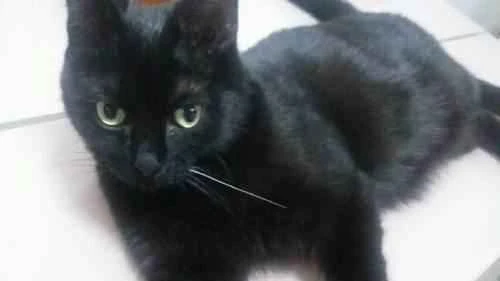
Some pet owners are worried about their overweight cats losing weight, while others are concerned about their cats being too thin and unable to gain weight no matter how much they eat. It's truly amazing how things can go in the right direction. We hope that everything can be balanced, but it always seems to go to two extremes. A cat that is thin and bony is not only unattractive, but also has a weak constitution, which makes it more susceptible to illness. These are things that pet owners don't want to see.
Some owners might say, "My cat has a great appetite and eats a lot, but still doesn't gain weight. Is it because it's not eating well enough?" So they buy high-quality cat food and supplements. However, good cat food is expensive, and the cat still looks like it's starving after eating it. This is truly a sad story. Finally, the owner thinks, "Could it be that my cat's inability to gain weight despite eating so much is a genetic problem?"
The reason why cats don't gain weight can actually be explained from two aspects. One is the breed; some cats are naturally slender and thin, such as most Asian breeds. The other is dietary health; gastrointestinal abnormalities and various diseases can all have an impact. 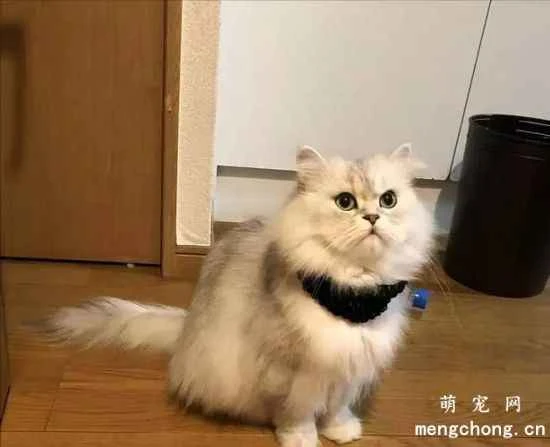
By variety:
Different breeds of cats have different weight standards, so which cats don't tend to get fat?
1. Oriental breed cats
Oriental cats are naturally smaller and thinner, such as Oriental Shorthairs and Siamese cats. These cats are slender and even if they are a little chubby, they still maintain a pointed face. If you prefer a cat with a chubby face, try to choose a Western breed.
2. Lean muscle type
Siamese cats, Oriental Shorthair cats, Singapura cats, etc., are all examples of slender, muscular cats. They have long, thin bodies, very slender limbs, a light and graceful physique, and attractive muscle lines. If these types of cats gain weight, their bellies will be the first to grow.
3. Rounded and thick type
Some cats are round and plump, which is an advantage of their breed.
Some cats are round and plump, which is an advantage of their breed.
For example, Exotic Shorthair and British Shorthair cats are relatively rounded cats that look like they have a large frame, thick whisker pads, plump cheeks and thick necks, making them look fatter than they actually are.
You can tell if a cat is overweight by looking at the ratio of its head to its belly. If its belly is wider than its head, it means that it may be overweight.
4. Hairy and long-haired type
Because of their thick fur, these types of cats are often considered overweight even though they are not fat. For example, Chinchillas and Persians are often mistaken for being fat even if they are of standard weight. Owners can determine whether their cats are of standard weight when their fur is close together during a bath.
From a feeding perspective:
1. Cats with sensitive stomachs are less likely to gain weight.
Cats with sensitive stomachs are those that are healthy, have normal appetite and energy levels, but are prone to diarrhea and vomiting without any underlying medical conditions. Aside from this, their appetite may not differ significantly from other cats of the same age, but they may experience slow growth, dry and dull fur, and lower weight. In severe cases, they may develop anemia and low platelet counts. These issues are due to their fragile digestive system, poor absorption, and inadequate nutrient uptake. If a cat continues to experience diarrhea and vomiting after ruling out parasites, it indicates a sensitive stomach, and such cats have difficulty gaining weight.
2. Cats with intestinal parasites
Internal parasites in cats usually live in their intestines. The food they eat will be absorbed by the parasites, causing malnutrition in cats. External parasites will suck the cat's blood, causing anemia in cats. Malnourished and anemic cats will inevitably not grow fat.
3. In the developmental stage
Kittens aged two to eight months are generally thin because they are very active and have a high metabolism. Therefore, even healthy kittens will be thinner during their growth period, which is normal. Adult female cats should weigh around 6 pounds, while male cats should weigh around 10 pounds.
4. Cat food issue
Some cats have poor bone development and appear thin and weak. This is often due to insufficient protein and fat content in their cat food, resulting in low total calories. Therefore, before buying cat food, please check the ingredient list. Several key values should be considered: Protein (crude protein): should not be less than 30%; Fat (crude fat): for such thin cats, it should not be less than 18%; Calorie content: should be at least 3600 kcal/kg. This is the basic requirement for normal cat development. If these three basic values are not met, please switch cat food immediately.
If the basic nutritional requirements are met, then check the ingredient list to see what's listed first. If the top three ingredients aren't meat or meat meal, but rather grains like cornmeal or potato meal, then the cat's energy intake is very limited, and you should consider switching to a different food.