Both cat grass and hairball remedy help cats expel accidentally swallowed hair and prevent hairballs, but there are some differences between the two. Hairball remedy lubricates the cat's intestines, allowing the hairball to be expelled directly with the feces, while cat grass stimulates intestinal peristalsis, thus helping the cat vomit up the hairball. 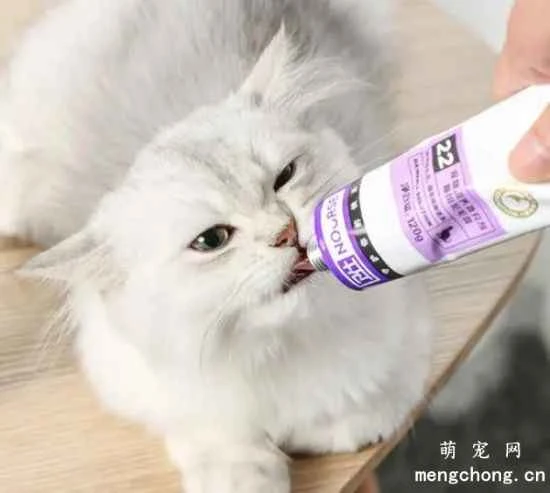
Cat grass primarily works by stimulating the stomach, helping cats expel hairballs. There are also many hairball remedies available, which usually contain hairball control paste or cat grass to achieve the desired effect. While some cat food contains hairball control ingredients, these mainly involve increasing the proportion of dietary fiber, and the amount is often small. Especially for medium- to long-haired cats, hairball control food alone may not be enough to achieve good hairball removal, so it's still necessary to use hairball control products as a supplement.
If your cat doesn't want to eat hairball remedy, you can try mixing it into their food or applying it to their nose or paws for them to lick off. Generally, cat grass and hairball remedy don't need to be fed very frequently. Long-haired cats only need to be fed 1-2 times a week, while short-haired cats only need to be fed once a week. During shedding season or if hairballs are being expelled frequently, you can increase the feeding frequency accordingly.
Both hairball remedies and cat grass can help prevent hairballs. The choice between them depends on your cat's preferences and the actual results. Just choose what suits your cat best.