Due to changes in sunlight and temperature throughout the year, the physiological activities and behaviors of Exotic Shorthair cats will vary. In terms of care and management, owners should take appropriate measures according to the seasonal changes, pay attention to common seasonal diseases, and ensure the healthy growth of their Exotic Shorthairs. 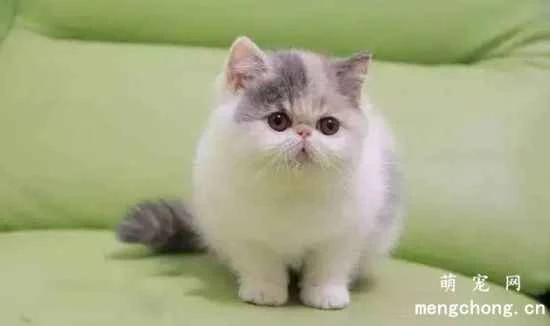
Spring feeding and management of Exotic Shorthair
As springtime days lengthen and the weather warms, Exotic Shorthair kittens become more active and energetic. While cats can go into heat year-round, early spring (January to March) is the most common time. Generally, an Exotic Shorthair's estrus cycle doesn't differ significantly from its usual period. However, if your kitten hasn't been spayed/neutered, you need to be extra careful about managing its estrus and mating, especially if you have cats of different sexes in your household. Exotic Shorthairs reach sexual maturity and estrus around 10 months of age, but premature mating should be avoided to prevent affecting their growth and development. Therefore, both male and female cats over 10 months of age must be closely monitored.
Spring is also shedding season. After the cold winter, the coat covering the entire body will fall out. If not brushed regularly, unclean skin can cause itching. Therefore, in spring, it is important to brush the coat of your Exotic Shorthair frequently and keep the skin clean to prevent external parasites and skin diseases.
In addition, spring is also a season when cat diseases are prevalent. Besides thoroughly cleaning and disinfecting the area around the cat's bed, it is also important to regularly deworm the Exotic Shorthair (including internal and external parasites), implement disease prevention measures, and vaccinate the cat to prevent disease outbreaks.
Summer feeding and management of Exotica
Summer weather is hot and humid, so be careful to prevent your Exotic Shorthair from getting heatstroke. Cats have fur covering their bodies and lack sweat glands, making them poor at regulating heat; therefore, they are very susceptible to heat. When the outside temperature is too high, especially in hot and humid "sauna-like" weather, they are prone to heatstroke. Therefore, in summer, your cat's bed should be placed in a shady, well-ventilated, and cool place. Also, avoid holding your Exotic Shorthair for extended periods, as this will significantly increase its body heat. You can provide a small electric fan and let it cool down periodically, but don't point the fan directly at it for long periods. If you have air conditioning at home, keep the temperature above 24℃; temperatures that are too low will make your Exotic Shorthair uncomfortable and cause it to catch a cold.
Hot summer weather often affects a cat's appetite, causing most cats to lose weight and become lethargic. At the same time, hot and humid environments are ideal for the growth of bacteria, fungi, and other microorganisms, so food poisoning in cats should be prevented. Summer cat food should be cooked thoroughly, preferably fresh, and the amount fed at each meal should not be too much to avoid leftovers spoiling. Any spoiled or rotten food must never be fed to cats. In addition to containing a large number of bacteria, spoiled food also contains toxins produced by bacteria. These toxins are highly toxic and cannot be destroyed by high temperatures; if a cat ingests them, it can suffer food poisoning, which can be life-threatening in severe cases.
Summer is the breeding season for mosquitoes, flies, fleas, ticks, and lice. It is essential to take precautions against mosquitoes, flies, lice, and ticks to prevent the occurrence of diseases. 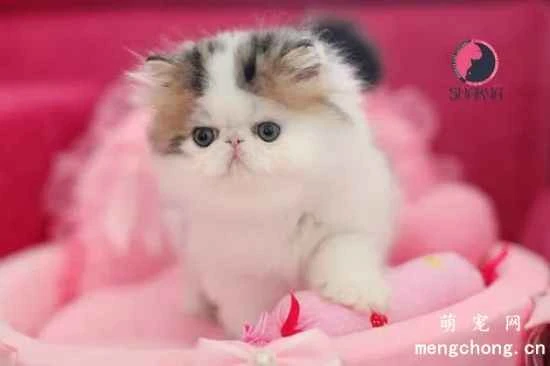
Autumn feeding and management of Exotic Shorthair
Autumn is a season of clear skies and pleasant weather, with comfortable temperatures. As the cat prepares for the coming winter and adapts to temperature changes between day and night, its fur gradually thickens. Consequently, your Exotic Shorthair's appetite will be very strong. At this time, you should improve the quality of its food and increase its quantity to enhance its physical strength and prepare it for winter.
Cats enter another breeding season in the fall, and the precautions mentioned in spring management should still be emphasized. In addition, the temperature difference between day and night is large in late autumn, so pay attention to keeping the cat's bed warm at night, and at the same time increase the time for short play with cats of different species to increase physical exercise and prevent colds and respiratory diseases.
Winter feeding and management of Exotic Shorthair
Winter weather is cold and lacks sunshine. On sunny days, Exotic Shorthair kittens should be allowed to bask in the sun as much as possible, especially growing kittens. The ultraviolet rays in sunlight not only have a disinfecting and sterilizing effect, but also promote calcium absorption, bone growth and development, and prevent rickets in kittens.
In winter, it's important to keep your cat warm indoors. If a cat is suddenly exposed to cold air, it's prone to catching a cold, and in severe cases, this can lead to respiratory illnesses. Add bedding to the cat's bed, keep it dry, prevent drafts, and minimize bathing frequency. After bathing, make sure it's completely dry before letting it outside the bathroom. Exotic Shorthair cats tend to sleep in a lot in winter, sometimes only moving around for meals. You should spend more time playing with them to increase their activity level and bond with you, preventing obesity.
Treat your Exotic Shorthair puppy like a child, providing regular care and attention to prevent problems before they arise. Don't wait until it gets sick to give it medicine or injections. The key to its health is a balanced diet, adequate exercise, a clean and comfortable environment, plenty of sunshine, and regular vaccinations to prevent disease.
There are many types of feline diseases. This article mainly explains common diseases that Exotic Shorthairs are prone to, helping owners care for their pets when they are sick. It's important to remember that when your Exotic Shorthair becomes ill, take it to a reliable veterinary hospital for examination and treatment as soon as possible. Don't neglect or delay treatment due to financial or other reasons, as this will worsen its condition.