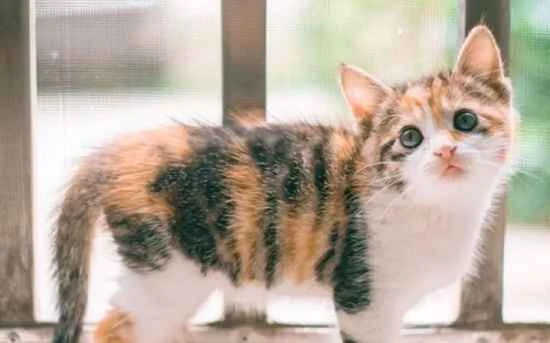
That depends:
① The force of the kicks, and whether there were any injuries.
② Is the cat being bullied the same one?
③ After the mutual kicking, will the battle continue?
Detailed explanation:
① Injury examination
Because bites and scratches are usually small and deep, they are sometimes difficult to detect.
Therefore, after the "battle," you should part the cat's fur and observe for: hair loss, peeling skin, wounds, abnormal bumps (deep suppuration from old wounds)...
Common injury sites include: top of the head, sides of the neck, paw pads, cheeks and sides of the brow bone, hind legs, etc.
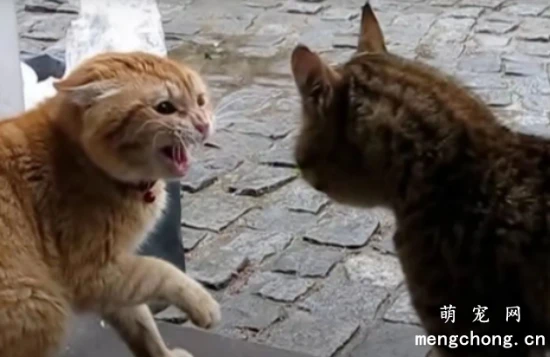
If it's playful (playful aggression), there usually won't be any external injuries, at most just slight hair loss; but if sharp teeth and claws are revealed during a conflict, and the fight is fierce, then the relationship is truly not harmonious.
② Survey of the recipients of the abuse
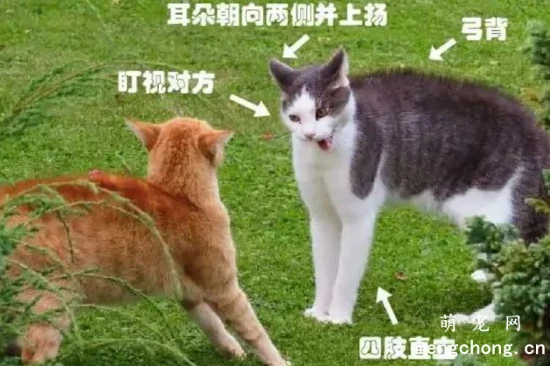
If the same cat is always the one being beaten, chased, fleeing in panic, lying on the ground with its tail between its legs and its belly exposed, then that's one-sided bullying.
In this situation, the relationship is definitely unhealthy (even if nothing has happened yet, early intervention is necessary).
In addition, you can also determine whether the weaker cat is the same one each time by observing its posture during a fight:
③ Post-event situation tracking
If they continue to fight even after a brief separation, it indicates a lingering grudge and a poor relationship.
If, after a direct confrontation and a fight has ended, the following situations occur, it also indicates that the conflict is continuing:
Territory battles
If your cats are just being playful and mischievous, you can relax and watch the show. You'll soon find them snuggling together again...
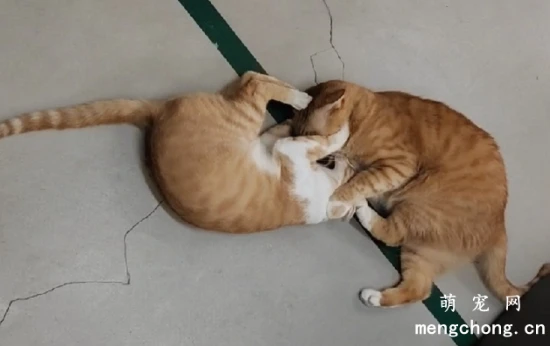
However, if the cats have a long-term strained relationship, it's best to intervene as soon as possible to prevent the relationship from getting worse or one cat from becoming sick due to prolonged stress.