Cats can't speak, so they can't tell us directly if they're sick or uncomfortable. However, cats have an incredibly high pain tolerance; they'd rather endure the pain than pretend nothing's wrong. This is when cat owners are put to the test. We need to learn to judge whether our cats are ill by observing their behavior and facial expressions.
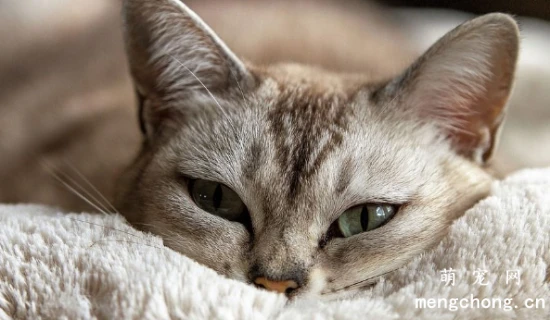
In the harsh conditions of the wild, cats must develop a range of skills to survive, and patience is one of them. To avoid becoming prey for other animals, cats must learn to conceal themselves. They not only learn to bury their droppings to hide their tracks, but also to hide their weakness, never easily showing any signs of illness or pain. Therefore, cats have inherited this ability to endure pain. When you can clearly see that your cat is sick, they may have already been silently suffering for a long time. So how can you tell in advance if your cat is in pain?
Cats often exhibit unusual behavior when in pain, which is characterized by significant differences from their normal behavior. For example, an energetic cat may start arching its back and curling up frequently. A clean cat may urinate or defecate inappropriately and groom itself less. A clingy cat may become more withdrawn and hide, and its appetite may decrease. If many of these behaviors are present simultaneously, further examination is recommended to determine the cause, and then an appropriate treatment plan can be chosen based on the recommendations.
Just like humans, sick cats often experience a significant decrease in appetite, even their favorite foods becoming unappetizing. Therefore, a sudden reduction in food intake or complete refusal to eat should raise a red flag for owners. When cats are in pain, they may even find jumping into the litter box painful. If you notice your cat frequently urinating or defecating inappropriately, don't assume it's misbehaving; it's often doing it out of necessity.
It's also important to check if the frequency of urination and defecation is the same as usual. Kidney disease can make cats thirsty, leading to excessive urination. Urinary tract diseases can cause painful urination, resulting in howling and blood in the urine. Normally, cats distribute their weight evenly across all four legs. If you suddenly notice your cat hunching over or limping, it's likely in pain. This could be abdominal pain or a leg injury.
If a cat suddenly increases or decreases the frequency of grooming, or constantly licks the same spot, or suddenly loses interest in its usual toys and stops playing, becoming listless and lethargic, these are signs of a health problem. Excessive activity can worsen a cat's pain, so to reduce this pain, they may become more lethargic.
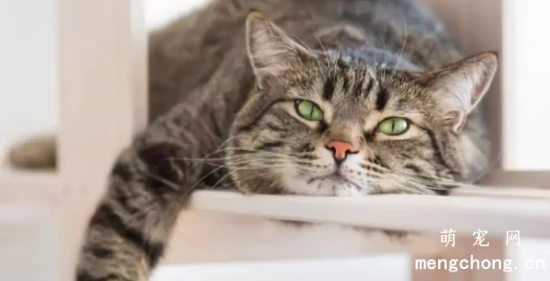
When you try to pet your cat, a normally docile cat might suddenly become aggressive and clearly resistant due to physical pain. This is similar to humans; when they're unwell, they can become irritable and reluctant to interact with others. Cats spend most of their day sleeping. If you notice your cat's sleep time has significantly decreased and it seems lethargic, it's very likely that it's in too much pain to maintain the same position and therefore has difficulty falling asleep.
Cats are so cute, and they always seem to have an adorable expression. But you might be misunderstanding their expressions. Often, whether they're happy or in pain, a cat's facial expression might not change much. In these situations, cat owners need to observe them closely. Characteristics of a cat in pain include, but are not limited to: squinting eyes, ears turned outwards, tense mouth movements, and bristling whiskers.
If you notice any of the above symptoms in your cat, please take them to the vet immediately to determine the cause and receive appropriate treatment. However, please remember, absolutely do not give your cat human painkillers or similar medications! Your cat getting sick isn't the scary part; the real problem is failing to notice and treat the illness promptly, which can lead to delayed treatment and ultimately, no cure. So please don't take this lightly! Take your cat to the vet for a checkup as soon as possible; early detection and intervention are key.