As humans, we might think of a cat's meowing as a natural form of communication, but in reality, a cat's meowing isn't solely for begging for food. In the feline world, meowing is a fundamental form of communication, helping cats express various emotions and needs.
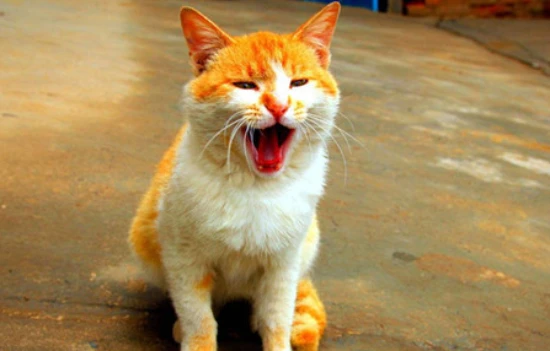
First, we need to understand a cat's eating habits. Cats are carnivores, requiring a high-protein, high-fat diet to maintain their health. In the wild, cats typically prey on small mammals and birds, which are their primary food sources. Therefore, when cats are hungry, they will express their needs by meowing.
Secondly, meowing can also be a form of socialization for cats. Group living is very important in the feline world. When cats interact with other cats or pets, they use meowing to establish connections, express emotions, and address their needs. Therefore, when cats feel lonely, anxious, or need companionship, they will also meow to attract attention.
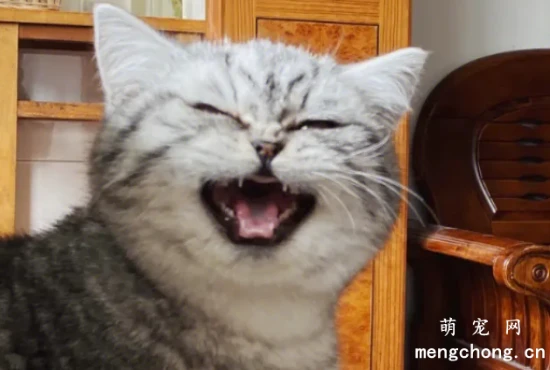
In addition, cats can also use meowing to mark their territory. In the wild, cats mark their territory by leaving scents and making sounds. At home, cats also use meowing to mark their territory or to express their needs to their owners. For example, when cats want to play or need their litter box cleaned, they will meow to get their owner's attention.
In short, a cat's meowing isn't solely for begging for food. It's a basic form of communication that helps cats express various emotions and needs. When cats feel hungry, lonely, anxious, or need companionship, they meow to attract attention. Therefore, as owners, we should understand our cats' needs and emotions and promptly meet them to make them feel more comfortable and secure.