To determine whether a cat's leg is sprained or fractured, you can observe and examine the following aspects:
Pain level: Fractures cause varying degrees of pain and tenderness because the sharp ends of the bone can pierce blood vessels and nerves in surrounding tissues. Therefore, a cat with a leg fracture will experience intense pain and may even be unable to walk. Sprains, on the other hand, may only involve soft tissue injuries such as muscles and ligaments, and the pain level is relatively mild.
Skin color: Fractures cause damage, swelling, and bruising to surrounding tissues, so the skin at the fracture site may appear bluish-purple bruises. Sprains, on the other hand, may only cause localized swelling, and the skin color will not change significantly.
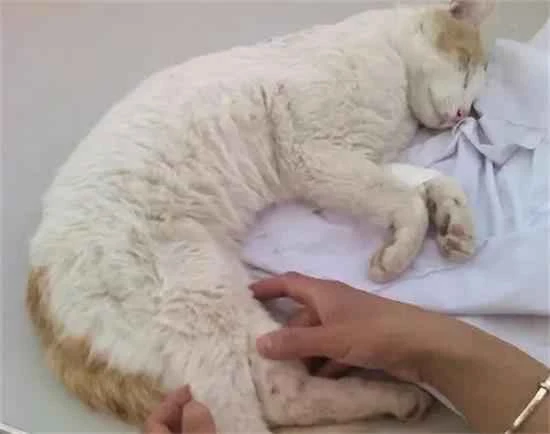
Tactile response: A cat's leg fracture involves bone displacement, resulting in a noticeable deformity. Touching the leg will reveal an uneven surface, and the cat will experience tenderness. A sprain, on the other hand, involves injury to soft tissues such as muscles and ligaments, and there will be no significant change in tactile sensation.
It is important to note that the above methods can only be used as a preliminary assessment. If your cat has a leg injury, please take it to a veterinary hospital for examination and treatment as soon as possible.