A cat's shedding level is influenced by a variety of factors, including breed, health condition, season, and diet. Generally, long-haired cats tend to shed more, and some breeds may shed even more noticeably. Here are some cat breeds generally considered to shed the most:
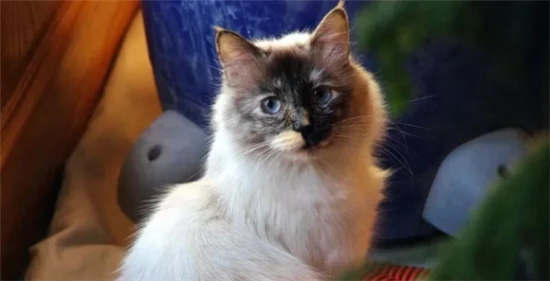
Persian Garfield cat: This breed is a cross between Persian and Siamese cats, inheriting the long fur of the Persian cat. It also requires regular grooming.
Norwegian Forest Cat: This is a large, long-haired cat breed from Northern Europe with a thick coat, which makes it prone to shedding.
Himalayan cat: The Himalayan cat is a cross between the Persian and Siamese cats. It is characterized by its long hair and requires frequent grooming.
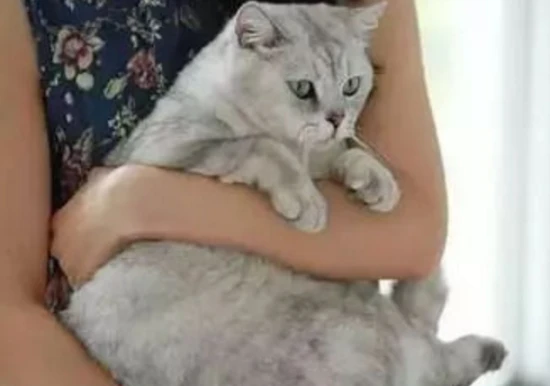
British Longhair: The thick coat of the British Longhair makes them relatively prone to shedding.
Please note that every cat is different, so there may be variations in shedding. Furthermore, the amount of shedding can also be affected by season and environment. Regular brushing and grooming are effective ways to reduce shedding in cats.
Here is a ranking of cats that shed relatively little fur:
10. Siamese cat
Siamese cats shed relatively little for several reasons:
Short hair and less fur: Siamese cats have relatively short and less fur, which makes them easier to groom and clean compared to some long-haired breeds.
Fine fur: Siamese cats typically have fine, smooth fur. This makes their fur relatively resistant to tangling and shedding.
Less prone to hairballs: Due to cats' grooming habits, some long-haired breeds are prone to hairballs, while Siamese cats' short hair and sparse fur reduce the probability of hairball formation.
Strong self-cleaning ability: Siamese cats usually have a strong self-cleaning ability. They will use their tongues to clean their own fur, which helps to reduce the amount of dead hair that falls off their bodies.
9. Maine Coon
Maine Coon cats shed relatively little due to their unique coat characteristics and grooming habits. Here are some possible reasons:
Dense and waterproof coat: Maine Coon cats typically have a dense, soft, and waterproof coat. This coat structure not only helps retain the cat's body temperature but also reduces hair loss.
The combination of undercoat and topcoat: The Maine Coon's coat consists of an undercoat and a topcoat, which combine to form a relatively tight hair structure, reducing the likelihood of hair loss.
Small amounts of sulfites: Sulfites are a common allergen that can cause allergic reactions and lead to hair loss. The relatively low sulfite content makes Maine Coons less sensitive to allergies.
Self-cleaning ability: Maine Coon cats have a strong self-cleaning instinct. They will use their tongues to groom their fur, which helps keep their fur clean and reduce shedding.
Healthy diet: Maine Coon cats typically have a balanced and nutritious diet, which has a positive effect on maintaining healthy fur and reducing shedding.
8. Persian cat
Persian cats shed relatively little due to their unique coat characteristics and grooming needs. Here are some possible reasons:
Long, dense coat: Persian cats typically have long, dense fur that forms a downy covering their entire body. This coat structure reduces hair loss because long hair is more likely to remain on the cat's body and not fall out.
The combination of undercoat and topcoat: The coat of a Persian cat consists of an undercoat and a topcoat. These two layers of hair combine to form a relatively strong hair structure, reducing the possibility of hair loss.
Self-cleaning ability: Persian cats typically spend a significant amount of time grooming themselves. They use their tongues to comb their fur, keeping it clean and reducing shedding.
7. Russian Blue Cat
The reasons why Russian Blue cats shed relatively little are as follows:
Short and dense coat: Russian Blue cats have short and dense coats, which makes their fur more secure and reduces the likelihood of shedding.
Self-cleaning ability: Russian Blue cats usually have a strong self-cleaning instinct and will spend some time grooming their fur, which helps keep their fur clean and reduce shedding.
Healthy Diet: Providing a balanced, nutrient-rich diet is crucial for the health of a Russian Blue cat's coat. A good diet can improve coat texture and reduce shedding.
Less allergenic: Russian Blue cats typically have a coat with less protein, which may make them less sensitive to allergens and reduce hair loss caused by allergies.
Genetic factors: The genetic background of Russian Blue cats also affects the characteristics of their coat, and some genetic traits may make their coat healthier and stronger.
6. Cornish Rex Cat
Cornish Rex cats are a breed of cat known for their distinctive curly fur. They shed relatively little, primarily due to the following reasons:
Hair structure: Cornish Rex cats have curly hair, which is more likely to adhere to the cat's body than the straight hair of other cats, reducing the amount of hair scattered in the environment.
Lack of undercoat: Cornish Rex cats typically lack an undercoat, which is a short, fine coat and is often a cause of allergies. This lack of undercoat makes the Cornish Rex's coat lighter and results in relatively less shedding.
A healthy diet: Providing a Cornish Rex cat with a balanced, nutrient-rich diet helps maintain the health of its coat. Good nutrition helps reduce hair loss.
Regular grooming: Although Cornish Rex cats' fur is relatively tangle-free, regular brushing still helps remove dead hair, dander, and debris, promotes new hair growth, and reduces shedding.
Indoor living environment: Cornish Rex cats kept indoors are less affected by the environment, reducing their chances of contact with allergens such as dust and pollen in the outdoor environment, which helps reduce hair loss caused by allergies.
5. Scottish Fold cat
Scottish Fold cats are beloved for their unique appearance and temperament. The main reasons they don't shed much include the following:
Short-haired and long-haired types: Scottish Fold cats come in two coat types: short-haired and long-haired. Both types have a high coat density, which helps reduce shedding. Short-haired Scottish Folds have a closer-fitting coat, while long-haired Scottish Folds are less prone to shedding due to their thicker coat.
Less undercoat: Scottish Fold cats typically have less undercoat, which is a short, soft, fine coat that tends to scatter around the body. This lack of undercoat results in relatively less shedding.
A healthy diet: Providing a balanced, nutrient-rich diet is crucial for maintaining the health of your Scottish Fold's coat. A proper diet helps reduce shedding, leaving it shinier and softer.
Indoor living environment: Scottish Fold cats kept indoors are less affected by the environment, reducing their chances of contact with allergens such as dust and pollen in the outdoor environment, which helps reduce hair loss caused by allergies.
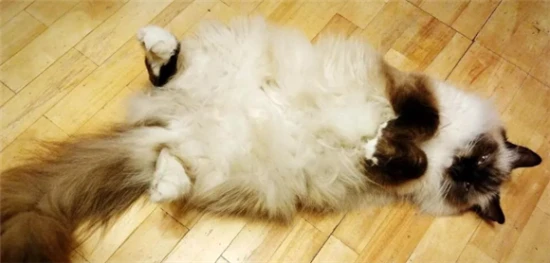
4. Ragdoll cat
Ragdoll cats are beloved for their gentle temperament and gorgeous appearance. They shed relatively little for several reasons:
Long and dense coat: Ragdoll cats typically have medium to long coats that are very dense. This coat structure helps slow down shedding, as longer hairs are more likely to get caught between other hairs rather than scatter in the environment.
Reduced undercoat: Ragdoll cats have relatively less undercoat. The undercoat is a soft, short, fine fur that easily spreads around the body. Because Ragdolls have relatively less undercoat, they appear to shed less overall.
Healthy Diet: Providing Ragdoll cats with a balanced, nutrient-rich diet is crucial for maintaining healthy fur. A good diet helps reduce shedding and keeps their fur shiny and soft.
Regular grooming: Even though Ragdoll cats' fur is relatively tangle-free, regular brushing still helps remove dead hair, dander, and debris, keeping their fur clean and healthy.
Indoor living environment: Ragdoll cats kept indoors are less affected by the environment, reducing their chances of contact with allergens such as dust and pollen in the outdoor environment, which helps reduce hair loss caused by allergies.
Genetic factors: Different breeds of cats shed to varying degrees, and Ragdoll cats are generally considered to be one of the breeds that shed relatively little.
3. Birman cat
Birman cats are loved for their beautiful appearance and gentle temperament. They shed relatively little for several reasons, including:
Coat structure: Birman cats typically have medium to long coats that are very soft. This coat structure helps slow down hair loss because longer, softer hairs are more likely to get caught among other hairs rather than scatter in the environment.
Reduced undercoat: Compared to other cat breeds, Birman cats have relatively less undercoat. The undercoat is a soft, short, fine hair that easily spreads around the body. Because of this reduced undercoat, Birman cats appear to shed less overall.
Healthy Diet: Providing a balanced, nutrient-rich diet is crucial for maintaining the health of a Birman cat's coat. A good diet helps reduce hair loss and keeps the coat shiny and soft.
Regular grooming: Even though Birman cats' fur is relatively tangle-free, regular brushing still helps remove dead hair, dander, and impurities, keeping their fur clean and healthy.
Indoor living environment: Birman cats kept indoors are less affected by the environment, reducing their chances of contact with allergens such as dust and pollen in the outdoor environment, which helps reduce hair loss caused by allergies.
Genetic factors: Different breeds of cats shed to varying degrees, and the Birman cat is generally considered to be one of the breeds that sheds relatively little.
2. Egyptian cat
Egyptian Mau cats, also known as Pharaoh cats, are generally considered to be a breed that doesn't shed much. Here are some reasons why Egyptian Mau cats don't shed much:
Short-haired coat: Egyptian Mau cats typically have short, dense fur. Compared to long-haired cats, short-haired cats' fur is easier to maintain, reducing the likelihood of tangles and shedding.
Self-grooming ability: Egyptian Mau cats have a strong self-grooming habit; they lick their fur to keep it clean. This behavior helps remove dead hair, dander, and dirt, reducing shedding.
Healthy Diet: Providing Egyptian Mau cats with a nutrient-rich diet is crucial for maintaining their healthy coat. A proper diet helps reduce hair loss, keeping their fur shiny and smooth.
Indoor living environment: Most Egyptian Mau cats are indoor cats, meaning they are less affected by environmental factors. Indoor environments are generally cleaner, reducing the likelihood of shedding.
Genetic factors: Different cat breeds shed to varying degrees, and Egyptian Mau cats are considered to be one of the breeds that shed relatively little.
1. Sphynx Cat
Sphynx cats are generally considered to be a breed that doesn't shed much due to their hairless or very short fur. Here are some reasons why Sphynx cats don't shed much:
Hairless or short-haired: Sphynx cats have no downy fur covering their skin, or only very short, fine hairs. Compared to other long-haired cats, their lack of a long, abundant coat means they have virtually no problem shedding.
Sebum production: Sphynx cats produce a lot of sebum, which helps keep their skin moisturized and hydrated. This also helps prevent their fur from becoming dry and brittle, and reduces hair loss.
Self-grooming: Although Sphynx cats don't have traditional fur, they still groom themselves, licking their bodies to keep clean. This helps remove dead skin cells and impurities, reducing hair loss.
Indoor living: Sphynx cats are generally better adapted to indoor living, which makes them relatively less affected by dust and impurities in the environment. A clean indoor environment helps reduce hair loss.
It's important to note that although Sphynx cats don't shed much, they still require special care. Because they lack normal fur to absorb bodily secretions, their skin can get dirty more easily. Regular bathing and skincare are key to keeping them clean and healthy.
It's important to note that even within the same breed of cat, the amount of shedding can vary from individual to individual. Furthermore, a cat's shedding can fluctuate with seasonal changes and its menstrual cycle. If you have concerns about your cat's shedding, it's recommended to have them undergo regular checkups to maintain their health.