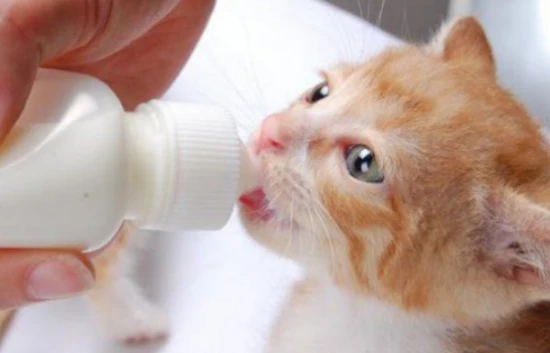
A cat's lifespan is generally between 10 and 15 years. Besides a cat's health, its breed, living environment, and other factors significantly influence its lifespan. Under domestic conditions, with adequate nutrition and good veterinary care, the average lifespan of a male cat is estimated at 13-15 years, while that of a never-mating female cat is 15-17 years. However, spayed/neutered male and female cats tend to live 1-2 years longer than the average. Some cats with breed-related genetic diseases have shorter lifespans; for example, Munchkin cats with short legs are prone to premature death due to polyarthritis. 
Methods to extend a cat's lifespan:
1. For older cats whose metabolism slows down, a warm environment is ideal. During colder seasons, you can add blankets or electric blankets to their usual sleeping spots.
2. As cats age, they sleep longer and spend less time grooming themselves. In addition, their bodies decline and their fur quality deteriorates, so they need human assistance to groom their fur and clean their bodies.
3. Cats need regular check-ups as they enter middle and old age to check their health. Young and middle-aged cats can have a check-up once a year, while older cats need to have one every six months.
4. Just like humans, a cat's lifespan is also related to its mental health. If a cat is in a state of sadness, tension, or anxiety for a long time, its lifespan will certainly be shorter. Conversely, if a cat is in a happy state for a long time, lives a happy life every day, has a better mood, is healthier, and naturally lives a longer life.