As a cat owner, have you ever had this experience: when you're sitting or lying down quietly, your cat suddenly comes over, gently nuzzles you with its head, and sometimes even rubs its cheek against you? Behind this behavior lie a variety of emotions and needs in your cat. Today, let's unravel the secrets behind it!
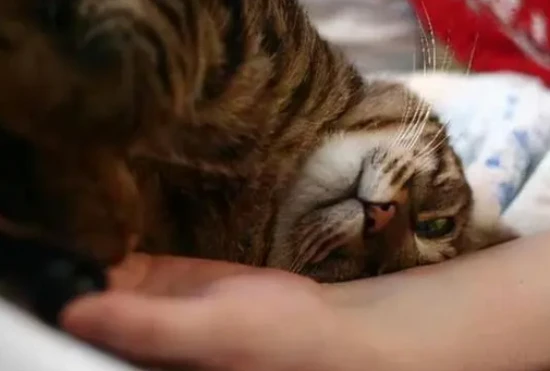
I. Expressing longing
While cats may not be as outgoing as dogs, they possess just as deep emotions. When a cat nudges you with its head, it's likely expressing longing for you. This longing might stem from a long separation, or it could simply be a desire for closeness. In a cat's world, nudges are a sign of affection, equivalent to a hug or kiss between humans.
II. Request for Attention
Cats are social animals. Although they can sometimes appear aloof, they still need their owners' companionship and attention. When you're busy with work or other things, your cat may feel neglected. At this time, they will try various ways to get your attention, including nudging you with their heads. This behavior is actually the cat saying, "Hey, human, you've been ignoring me for so long, come and play with me!"
III. Declaring Sovereignty
In the feline world, nudging someone with their head is also a way of asserting dominance. Cats have special glands on their cheeks and sides of their heads that secrete a unique scent. When a cat nudges you with its head, it's actually marking you with its scent, declaring, "You're mine, and other cats aren't allowed near!" This behavior is very common among cats and is a way for them to maintain territory and social relationships. 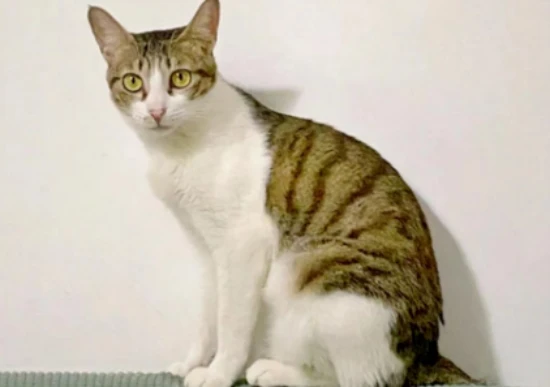
IV. Remind feeding
If you're a responsible cat owner, you know that cats have extremely high standards when it comes to food. When a cat is hungry or it's mealtime, they'll try everything to remind you. Nutting you with their head is one way. This behavior is usually accompanied by meowing or eye contact, as if to say, "Human, I'm hungry, get me some food!"
V. Needs Assistance
While cats are independent, they do need their owners' help in certain situations. For example, when a cat feels unwell, is trapped somewhere, or faces other difficulties, it may nudge you with its head to seek help. In these situations, you need to carefully observe the cat's other behaviors, such as its meows and postures, to accurately determine its needs and provide timely assistance.
6. Help scratch the itch
Sometimes, when a cat nudges you with its head, it might be because it feels itchy somewhere and needs your help. Although cats have dexterous claws, they can't scratch themselves like humans. In these situations, they'll seek their owner's help. If you notice your cat nudges you while pointing to a specific spot with its paw, it means it wants you to scratch it.
In short, a cat's head-nugging behavior is a multifaceted act, potentially expressing a range of emotions and needs, including longing, seeking attention, asserting dominance, reminding for feeding, requesting help, or needing someone to scratch an itch. As cat owners, we need to be attentive and understanding of these behaviors, responding appropriately and showing them love and care.
Through interactions with cats, we can gain a deeper understanding of their personalities and preferences, thus building a closer and more stable pet relationship. At the same time, by observing and understanding feline behavior and language, we can better meet their needs and provide them with a more comfortable and happy home.