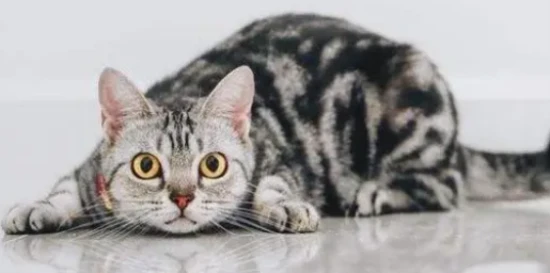
A cat's whiskers are not only part of its charming appearance, but also an important tool for its perception of the world. These sensitive whiskers have multiple functions and are essential to a cat's daily activities. Therefore, cutting a cat's whiskers may have adverse effects. This article aims to explore the function of cat whiskers and the potential impact of whisker removal on cats.
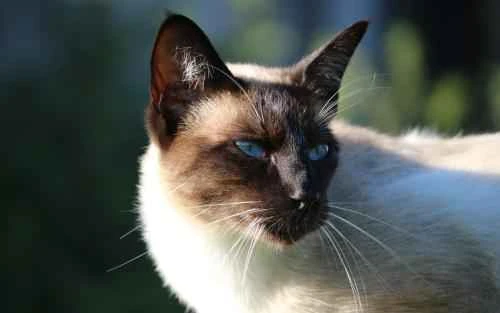
The function of cat whiskers
A cat's whiskers, or whiskers, are highly sensitive sensory organs connected to its deep nervous system. They are located on the cat's face, the back of its forelegs, its chin, and its eyebrow area. The main functions of whiskers include:
Spatial awareness: Whiskers help cats judge the size of spaces, such as the ability to navigate narrow spaces.
Environmental detection: Whiskers can sense subtle changes in airflow, helping cats perceive their surroundings, including nearby objects and impending dangers.
Hunting and hunting: Whiskers are essential for cats to catch prey, as they help them determine the location and movement of their prey.
Emotional expression: The position and condition of a cat's whiskers can also reflect its emotional state.
Effects of cutting off beard
Although a cat's whiskers will regrow after being cut, the period of whisker loss can be uncomfortable and distressing for the cat:
Navigation difficulties: After losing their whiskers, cats may have difficulty judging space and navigating narrow places, causing them to feel insecure and panicked.
Reduced environmental perception: The loss of whiskers reduces a cat's sensitivity to changes in its surroundings, making it harder for them to detect potential dangers.
Impaired hunting and predation abilities: For cats that enjoy playing and catching toys, the absence of whiskers may reduce their accuracy when hunting.
Mood swings: The loss of whiskers can make cats uncomfortable, affecting their mood and causing them to show more anxiety and sensitivity.
Avoid cutting your cat's whiskers.
Given the importance of whiskers to cats, it is strongly recommended that pet owners not cut their cats' whiskers. Even when trimming facial fur, care should be taken to avoid cutting the whiskers. If a cat's whiskers are damaged due to intentional cutting or other reasons, it is best to provide a safe and comfortable environment to help them adjust, and closely observe changes in their behavior and health.
A cat's whiskers are a crucial tool for perceiving the world, serving multiple important functions. Cutting a cat's whiskers can have a range of negative effects, including navigational difficulties, reduced environmental awareness, and mood swings. To ensure a cat's health and well-being, pet owners should avoid cutting their whiskers and pay special attention to this during routine grooming. By understanding and respecting a cat's natural characteristics, we can help them lead happier and healthier lives.