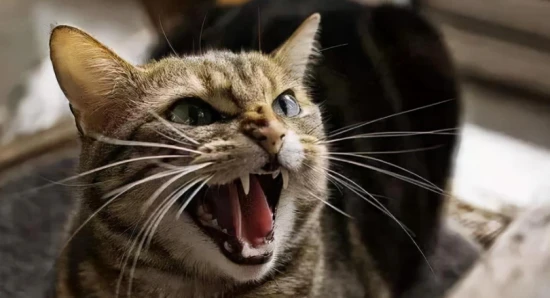
Static electricity requires a dry environment. We all know that winter weather is cold and dry, which makes cats prone to static electricity. Cat owners can improve this by increasing air humidity (using a humidifier or keeping plants), but the indoor environment shouldn't be too damp. Because cats have thick fur, a damp environment easily breeds bacteria, making cats more susceptible to skin diseases.
Cats have static electricity, so you need to touch them with your palm.
Pet owners' down jackets, sweaters, and other clothing easily generate static electricity. When petting the cat, this static electricity is naturally transferred to the cat. Therefore, before petting the cat, pet owners can place their hands on a wall to discharge the static electricity, which will greatly reduce the amount of static electricity generated. Also, try not to use your fingertips when touching the cat, as most static electricity is generated by fingertip contact; use your palm instead. 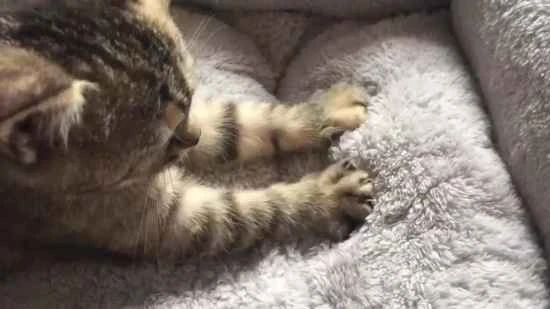
Cats that have static electricity should wear cotton clothes.
Many cat owners worry that their cats will get cold, so they put clothes on them. However, some materials are prone to static electricity, so if you must dress your cat, choose cotton fabric. After removing the clothes, comb the fur promptly to prevent tangles. It's best not to dress your cat at home, but only when going out.
Cats need frequent grooming to prevent static electricity.
Long-haired cats are more prone to static electricity issues compared to short-haired cats. If owners don't regularly brush their cats' fur, it can easily become tangled and dry, making them more susceptible to static electricity. When brushing your cat's fur daily, use a cat-specific grooming product and an anti-static comb to effectively prevent static problems.