Excessive shedding in cats not only affects their appearance but may also be a sign of health problems.
Does your cat shed a lot?
Four reasons why owners should know and how to improve them.
01
Reasons for excessive shedding in cats

1. Seasonal shedding
Cats shed seasonally to adapt to temperature changes. They typically undergo large-scale molting in spring and autumn to adjust to temperature fluctuations. This is a natural physiological process for cats and there's no need to worry excessively.
LYMS
2. Malnutrition
A cat's fur growth requires adequate nutritional support. If a cat's diet is unbalanced and lacks essential nutrients such as protein, fat, vitamins, and minerals, it will lead to decreased fur quality and hair loss.
3. Skin diseases
Excessive shedding in cats can also be a sign of skin disease. Common skin diseases include fungal infections, parasitic infections, and allergic dermatitis. These diseases can damage a cat's skin, preventing normal hair growth and resulting in hair loss.
4. Stress and anxiety
Cats are sensitive animals and easily affected by their external environment. If a cat is under prolonged stress or anxiety, such as due to changes in its environment or family members, it can lead to endocrine imbalances, affecting hair growth and causing hair loss.
02
Several practical methods to improve cat shedding
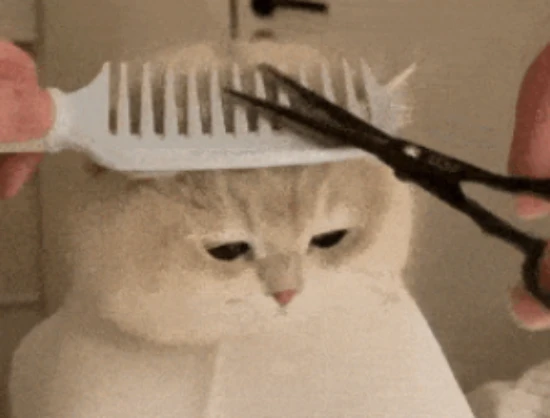
① Regularly comb your hair
Regularly brushing your cat's fur can effectively reduce shedding. When brushing, use a special comb or brush and brush in the direction of fur growth. This will remove dead hair and dandruff, promoting new fur growth. Brushing also enhances interaction with your cat and strengthens your bond.
② Take a bath in moderation
Bathing too frequently can damage a cat's skin barrier, leading to hair loss. Therefore, bathing should be done moderately, generally once a month is recommended. Choose a shampoo specifically formulated for cats' skin type and ensure the water temperature is moderate to avoid irritating their skin.
③ A balanced diet
Providing your cat with a balanced diet is key to reducing shedding. Choose a nutritionally complete cat food that contains sufficient protein, fat, and vitamins to meet your cat's nutritional needs. In addition, adding appropriate amounts of fish oil, egg yolks, and other foods rich in fatty acids can also help improve your cat's coat quality.

④ Keep the room clean
A cat's living environment greatly affects the health of its fur. Keeping the house clean and regularly vacuuming and removing mites can effectively reduce shedding caused by allergies, skin diseases, and other problems. In addition, avoiding prolonged exposure to direct sunlight or damp environments also helps maintain healthy fur.
⑤ Moderate exercise
Moderate exercise can promote blood circulation and metabolism in cats, helping to improve coat quality. Playing and interacting with your cat daily, and rewarding them with small treats as rewards, can keep them in a happy mood and reduce shedding caused by anxiety, stress, and other psychological issues.