A cat's health is closely related to nutrition, and understanding common nutritional issues and dietary restrictions is crucial for cat owners. This article will explain these points in detail through real-life examples to help you better care for your cat's health.
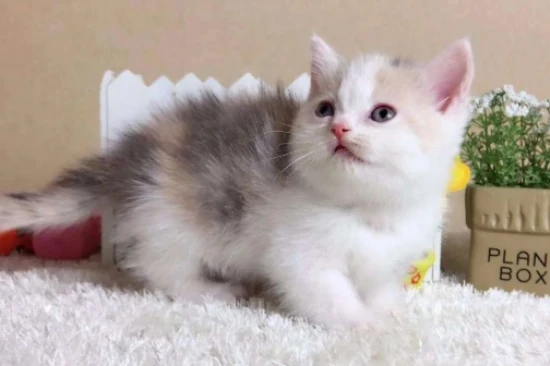
01 Common Nutritional Issues
malnutrition
For example, a cat developed dull fur and weight loss due to a long-term diet of only one type of cat food. After consulting a veterinarian, the owner learned about the nutritional deficiencies and improved the cat's health by switching to a more nutritionally complete cat food and appropriately adding protein- and vitamin-rich foods.
obesity
For example, one cat became obese due to overfeeding and lack of exercise, exhibiting problems such as sluggish movement and difficulty breathing. Following the veterinarian's advice, the owner controlled the cat's food intake and increased its exercise, successfully helping the cat lose weight.
oral problems
A cat with severe halitosis and loose teeth was found to have been fed overly soft food for a long time. Under the guidance of a veterinarian, the owner provided the cat with foods that help with teeth cleaning and brushed its teeth regularly, which improved its oral health.
02 Dietary Restrictions
Chocolate and coffee
Chocolate and coffee contain theobromine and caffeine, which are toxic to cats and can cause poisoning or even death. Always keep these foods away from your cat.
Onions and garlic
Onions and garlic contain components that are harmful to cats and may cause anemia and other health problems. Avoid feeding or exposing your cat to these foods.
grapes and raisins
Grapes and raisins can damage a cat's kidneys and should be avoided.
Too much salt
Cats have limited kidney capacity to process salt, and excessive salt can burden their health. Avoid feeding cats human foods that are high in salt.
bone
Small bones can injure a cat's throat or gastrointestinal tract. It's best to provide cat-specific chew toys or food.

03 Recommendations for a Healthy Diet
Provide high-quality cat food
Choose a suitable, high-quality cat food based on your cat's age, weight, and health condition. Carefully review the ingredient list to ensure it contains the appropriate nutrients.
Water intake
Ensuring that your cat has access to fresh, clean water at all times is crucial for maintaining their health.
Regular physical examinations
Take your cat to the vet for regular check-ups. The vet can provide specific nutrition and dietary advice based on your cat's individual condition.
Be aware of allergens.
Some cats may be allergic or intolerant to certain foods. If you notice your cat exhibiting abnormal symptoms such as itchy skin, vomiting, or diarrhea, it may be due to a food allergy; consult a veterinarian promptly.
Understanding common nutritional issues and dietary restrictions for cats is an important step in ensuring their health. By providing a balanced diet, avoiding forbidden foods, and paying attention to each cat's individual needs, we can help them maintain good health.