Today, let's talk about whether cats can feel sad or upset.
So what are the signs of sadness and grief?
What can it do?
What might make someone unhappy?
Every cat has its own personality. Some are more outgoing than others, but it can be a cause for concern when a typically social cat suddenly becomes quiet and introverted.
Depressive symptoms that may occur in cats:
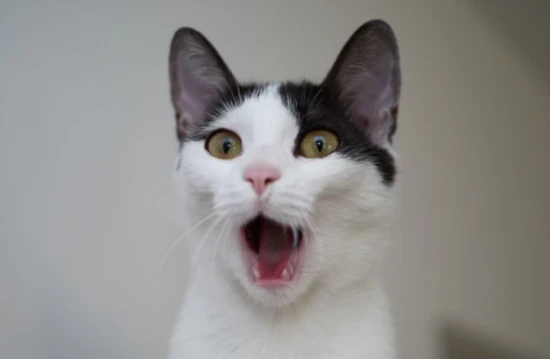
I. Vocal cues or changes in pronunciation
Your cat may meow more or less than usual. These are all auditory signals that your cat may be unhappy.
These unpleasant sounds are usually low, sad growls. Meowing doesn't always indicate happiness; an unhappy cat might whimper as a way to comfort itself.
Other cats that are usually noisy may become quiet, while quiet cats will turn up their volume.
II. Body Language
Sometimes your cat's body language can give you clues about their unhappiness; their eyes, ears, fur, and body posture can all indicate this. Ears pricked up, tail tucked under, fur standing on end, and other body cues are all silent ways of conveying that your cat may be sad.
III. Aggression or Fear
Sad cats tend to be more reactive, exhibiting aggression or fear. If you notice changes in your cat's behavior that lead to fear or unusual aggression, they may be sad.
IV. Clinginess, hiding, or personality changes
A sad cat may lose interest in activities it used to enjoy and participate in, become lonely, and hide away. Conversely, a quieter cat may become clingy or demanding, and its fear of strangers may intensify when it is sad, a fear that seems to be present in all cats.
5. Excessive sleep
Cats usually sleep a lot, but sad or depressed cats sleep even more. A change in a cat's favorite nap spot can also indicate sadness.
6. Stop organizing or become too lazy to organize yourself.
This could be a sign of unhappiness and poor health. Cats that feel uncomfortable or depressed often stop grooming themselves, leaving behind very frizzy fur.
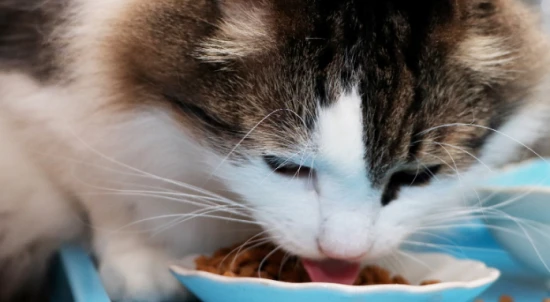
7. Loss of appetite or changes in appetite
If your cat stops eating, or you notice a sudden change in its appetite, it may be upset about something. A sad cat may refuse to eat foods it used to enjoy, or even lose interest in its favorite foods altogether.
8. Spraying urine or changing toilet habits
A sad cat might use its own scent to urinate in inappropriate places to make itself feel better.
Besides stress, depression, and grief, there are many other reasons why cats might urinate outside their litter box. Your cat might relieve itself on the balcony, in your bedroom, or where the scent of a dead pet or missing person lingers, in order to spread its own scent. Furthermore, if your cat is urinating outside the litter box, this should raise a red flag.
9. Excessive scratching
If your cat is sad or depressed, it may start scratching things more than usual to relieve stress and mark its territory.
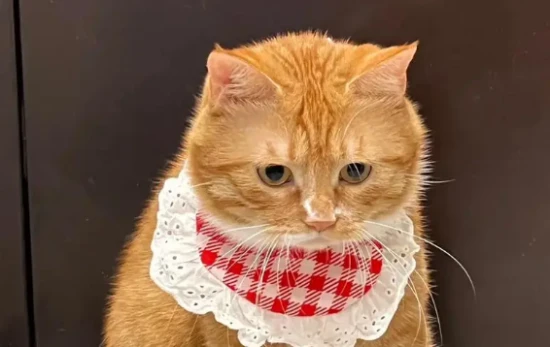
Reasons for depression and sadness in cats
There are many reasons why cats become depressed and sad. They grieve when they experience a bond with both human and non-human family members.
Whatever the reason, you must spend more time and effort until its happiness level improves.
If pain is the culprit, then take your cat to the vet.
I. Disease:
Illnesses can make your cat feel uncomfortable and may even cause pain.
If a cat feels pain while walking around, it may not want to play anymore.
Fatty liver, FIV, FeLV, upper respiratory tract disease, diabetes, hypothyroidism, and dental problems are all serious health issues that can affect your cat's well-being. If you suspect your cat's depression is due to illness, you should schedule a veterinary visit as soon as possible.
II. Injury:
An injury can limit your cat's ability to do things it used to enjoy. The pain from the injury can also make your cat feel less happy than usual.
If your cat seems to be in pain, schedule a check-up. Even old surgeries and injuries can cause lingering pain or discomfort in your cat, and may require chronic pain relief.
III. Loss of a beloved family member:
Losing a family member is painful for everyone, and your cat is no exception.
Your cat may become sad and depressed when a family member (person or animal) dies or moves out.
This is usually just a temporary behavior, and your cat will return to normal after a while.
If your cat is depressed because another cat in the household has died, they may find comfort in a new feline friend (or they may not).
Time is usually the best remedy for major changes in family members, but there are also some natural remedies, such as pheromones and nutritional supplements, that can help your cat be happier during this period.