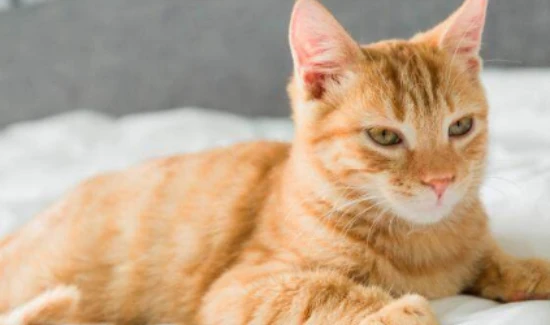
In today's society, obesity has long been the biggest obstacle to human health, and the incidence of obesity has reached the level of an epidemic; kittens, who eat and sleep all day with limited activity, also have the same problem.
Overweight is defined as the abnormal accumulation of adipose tissue in the body, resulting in a weight exceeding the ideal weight by 10-20%. Obesity is defined as a weight exceeding the ideal weight by 20%. Studies have shown that 25-40% of domestic cats are overweight or obese, especially after spaying/neutering, with obesity being more common in male cats.

As is well known, obesity can trigger a variety of diseases and affect the normal functioning of multiple organ systems. Obesity causes elevated levels of systemic inflammation, and chronic inflammation leads to excessive production of reactive oxygen species and systemic oxidative stress, which are key factors in the development of various systemic diseases. Obese cats are more prone to certain diseases, such as diabetes, fatty liver, osteoarthritis (lameness), respiratory diseases, cardiovascular diseases, urinary tract diseases (urinary stones, idiopathic cystitis), dystocia, increased risk of certain tumors, stomatitis, gastrointestinal diseases (constipation), and skin diseases. Moreover, excessive fat accumulation can also affect routine physical examinations in healthy cats, such as making blood sampling and abdominal palpation more difficult.
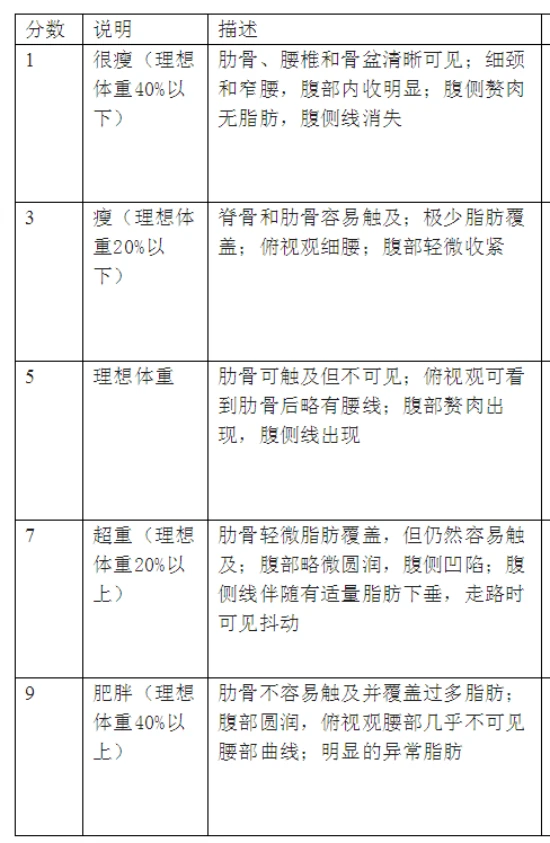
In the 9-point Body Condition Rating System (BCS), 5/9 is the ideal body condition score. Each additional point above 5 indicates that the cat exceeds its ideal weight by 10-15%. In ideal body condition, a cat's body fat is approximately 20-25%, and each additional point indicates an increase of 5% in body fat. A normally sized shorthaired cat weighs approximately 4.5-5 kg.
(Image sourced from the internet)
Prevention is key when it comes to obesity. It's difficult to get overweight cats to control their eating and exercise, so owners need to monitor their cats' weight regularly and take preventative measures early. When kittens reach about 75% of their adult weight, their food intake should be controlled to prevent excessive weight gain. Most dogs and cats start gaining weight after spaying/neutering, so intervention should begin at this time, primarily by controlling their diet.
After spaying/neutering, reduce your cat's food intake by 10-20% while ensuring they get adequate exercise. Unlike dogs that can be walked daily, most cats are primarily indoors, and indoor cats tend to be less active than outdoor cats. Therefore, it's essential to enrich their environment by providing toys, play areas (cats love high places), foraging and games, etc. Owners should also actively participate in play and interaction with their cats to promote exercise and increase their bond. If your cat is obese, weight loss should begin as soon as possible. Cats are carnivores, and their diet should be high in protein and low in carbohydrates. Obese cats can be fed a specially formulated weight-loss diet, with their daily energy needs calculated and divided into 2-3 meals.
[The daily resting energy requirement (RER) for cats of normal weight is 180-300 kcal. For obese cats, this is 70-80% of the RER, and for highly active cats, it is 100-120% of the RER.] Changes or adjustments to the diet should be made slowly to avoid stress and anorexia. Once an obese cat has successfully lost weight, it usually needs lifelong restriction of energy intake to maintain its weight. If it consistently fails to reach its ideal weight, it should not be left to its own devices. Instead, its weight should be closely monitored to ensure it doesn't gain more weight before gradually controlling its weight.