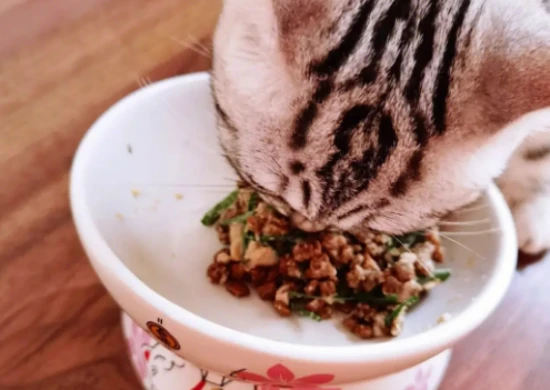
1. The cat is not drinking enough water and is experiencing heatiness. If your cat is energetic but has a hoarse voice, the first thing to consider is whether it is drinking too little water and is experiencing heatiness. For example, if the cat's food contains too much meat, it may cause heatiness and lead to hoarseness.
2. Does the cat have respiratory problems? For example, if the cat has underlying feline herpesvirus, calicivirus, or a common upper respiratory tract infection, these conditions can cause inflammation of the tonsils and throat, resulting in a hoarse voice. 
3. Persistent howling in cats. If a cat is constantly howling, for example, kittens may howl due to discomfort and anxiety after being moved to a new environment, or female and male cats may howl during their estrus cycle. Persistent howling can cause a cat's voice to become hoarse. Owners need to assess the cat's condition. If unsure, it's best to take the cat to a veterinarian for further diagnosis and timely treatment.
4. Cats catching a cold. Colds are one of the main reasons cats become hoarse. In autumn, the temperature difference between day and night is large, making cats very susceptible to colds. Owners should make sure to keep their cats warm at night. For hoarseness caused by a cold, appropriate medication can be given, and plenty of fresh water should be provided. If the condition is mild, the cat will usually recover on its own in about 3 days.
5. Parasite infection. Based on the cat's symptoms, if the owner determines that the cat is infected with parasites, they can choose an appropriate internal deworming medication and treatment method.
How to prevent feline pharyngitis:
1. Try to avoid spraying strong gaseous insecticides in the cat's living area or smoking in front of the cat, as these may damage the cat's respiratory tract.
2. Owners should not feed their cats fish with bones or hard bones, as swallowing such items can easily injure a cat's throat or intestines. Owners should also keep small, potentially hazardous items out of reach of their cats to prevent accidental ingestion.
3. If you notice respiratory symptoms in your cat, seek veterinary treatment promptly to prevent pharyngitis caused by the respiratory illness.