1. It's normal for cats to lick their lips after eating or drinking.
2. The cat has bitter food in its mouth or has been given medication by its owner. The cat will lick its mouth frequently to increase saliva production and swallow to quickly eliminate the bitter taste.
3. The cat has a foreign object injury, such as a fishbone stuck in its mouth. The owner needs to open the cat's mouth to check if there is a foreign object stuck in its mouth. The cat will show interest in eating dry cat food or hard treats, but will choose not to eat due to oral discomfort. 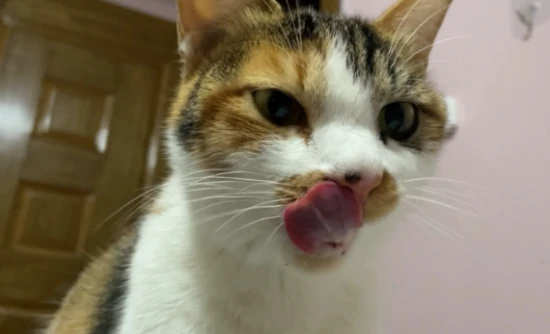
4. Cats are very sensitive. When raising them, you should try not to frighten them. Excessive fright can cause a series of stress reactions in cats. Once a stress reaction occurs, it will directly lead to a decrease in the cat's overall resistance, resulting in symptoms such as constant licking of the mouth, vomiting, diarrhea, loss of appetite, and depression.
5. Cats tend to lick their lips when they are nervous. When cats are nervous, they will make subconscious actions, such as licking their lips to relieve tension when they go to a new environment or have their nails trimmed. This is called the "displacement response".
6. Cats can feel uneasy due to changes in their environment and smells. If a cat keeps staring at one spot and licking its mouth incessantly, it may be due to excessive stress.
7. A cat's frequent licking of its mouth could also be due to illness. Cats are prone to tartar buildup and stomatitis, which can even lead to ulcers in severe cases, making it difficult for them to eat. Stomatitis can also cause bad breath and altered saliva odor, prompting the cat to constantly lick its mouth to clean itself.
8. The cat shows signs of nausea and vomiting. This is often seen in cats with gastrointestinal diseases. When a cat is dehydrated or nauseous, it may lick its mouth incessantly and may also drool.
9. The cat may have obsessive-compulsive disorder. If a cat licks itself too frequently, regardless of the place or occasion, it may have obsessive-compulsive disorder.
10. Having wounds or being bitten. After licking the wounds from bites, cats will also keep licking their mouths.
11. They smelled an interesting odor. Inevitably, floors and tables in daily life sometimes get covered in chemicals, dirt, soap, etc., which produce some strange smells that attract cats to lick their mouths. 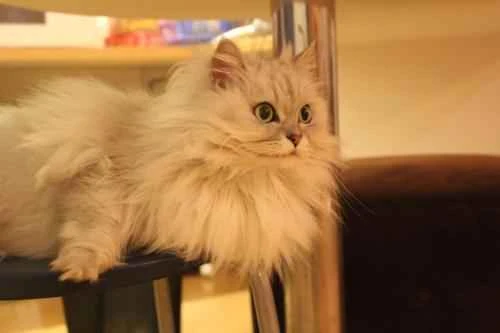
What to do if your cat is licking its lips and refusing to eat:
1. Be alert to stress reactions. Cats that are startled may exhibit stress reactions, leading to symptoms such as loss of appetite, frequent licking of the lips, and lethargy. Owners should check if the cat has been vaccinated, its environment has been changed, it has been bathed, or other actions that have frightened it. If so, pet owners need to gently soothe and calm the cat. Once the stress reaction subsides, the cat may resume eating normally.
2. Choose suitable cat food and feed regularly. If you find that your cat is not eating because of the cat food, you can buy some higher-quality cat food for your cat. If your cat is eating again, there is no need to worry too much. You also need to feed your cat at fixed times and locations; uncontrolled feeding can cause your cat to refuse to eat or drink at mealtimes.
3. Supplement with probiotics and digestive enzymes. A cat's refusal to eat may also be due to a lack of probiotics and digestive enzymes, hindering intestinal motility and digestion. Owners can feed their cats probiotics and digestive enzymes to help promote digestion.