Symptoms of hairballs in cats:
1. If a cat frequently vomits or gags and the vomit contains hair, the hairball will constantly irritate the mucous membrane in the stomach or esophagus, causing the cat to gag frequently. If the hairball is stuck too far forward, the cat may also cough.
2. When hairballs are severe, cats may experience symptoms such as decreased appetite and lethargy. When hairballs get stuck in the digestive tract, gastrointestinal motility decreases, leading to indigestion and a naturally reduced appetite.
3. Cats with hairballs will also have dry and frizzy fur. The hair that cats ingest while licking their fur will accumulate and form hairballs that can block their digestive tract or trap food. If the food cannot be digested and absorbed, the cat is prone to malnutrition, and its fur will also appear dry and dull.
4. The cat's abdomen becomes noticeably larger. This is because some cats may experience an increase in abdominal circumference due to consuming too much fur.
5. When cats suffer from hairballs, they may experience constipation, hard stools, and hair mixed in with their feces. 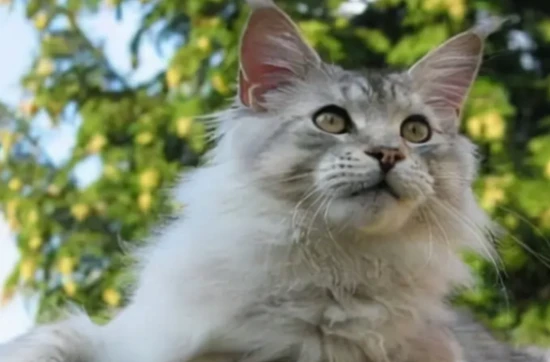
Treatment for hairballs in cats:
1. Comb your fur frequently.
Hairballs in cats are usually caused by licking their fur, which leads to them ingesting a lot of hair. Owners can try brushing their cats regularly with a fine-toothed comb to remove loose hair and reduce the amount of hair they ingest. Spending ten minutes or so brushing them daily can also stimulate hair follicles and promote hair growth, which is very beneficial for their fur.
2. Feed cat grass
If your cat has mild hairballs, you can feed them some cat grass. Cat grass is actually wheatgrass, barley grass, oat grass, or other common grasses. These grasses can induce vomiting, helping your cat expel the hairballs. However, be careful not to feed them too much, as repeated vomiting may cause discomfort for your cat.
3. Feed hairball remedy.
Some cats may not like to eat cat grass, even if it's planted properly. Owners shouldn't ignore this and should take preventative measures. In addition to cat grass, you can also give your cat hairball remedy like Meowball. Cats generally like the taste of hairball remedy. Just squeeze out a little bit and feed it to them regularly to help prevent hairballs.
4. Surgical removal
If a cat's hairballs are in an advanced stage, the above methods may not be effective in helping it expel the hairballs. In some cases, the hairballs may even block the cat's intestines, causing constipation, lethargy, and loss of appetite. In such cases, the cat needs to be taken to a veterinary hospital for surgery to remove the hairballs through abdominal incision. Post-operative care will then be necessary.