Causes and cleaning methods for foreign objects in a cat's ears:
1. Ear mites: Infection with ear mites can cause the production of large amounts of dry, dark brown debris, leading to itching and redness in the ear canal.
2. Yeast infection: If moisture remains in the ear canal for a long time, it can lead to maceration of the ear canal and excessive growth of yeast.
3. Otitis externa and otitis media caused by bacterial infection will produce foul-smelling, yellow, purulent discharge. 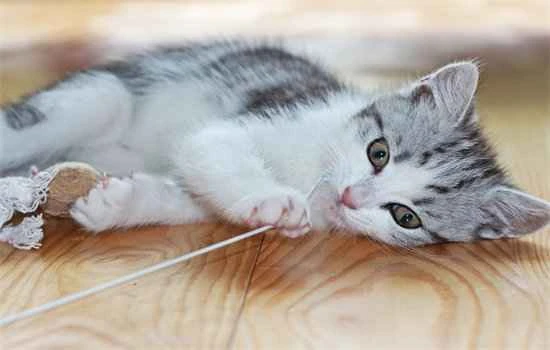
How to clean foreign objects from a cat's ears:
1. Use a sterile cotton swab dipped in hydrogen peroxide to thoroughly clean the ears and let them air dry.
2. Sprinkle with boric acid powder. If unavailable, use dermatitis cream instead. Apply evenly.
3. If you are worried about problems inside the ear canal but are afraid to clean it deeply, you can put a few drops of nitroglycerin ear drops, French Virbac ear drops, or 886 cleaning solution in your ears. Cover the cat's ears and gently massage, then release the cat and let it shake its head to shake out the dirt in the ear canal. Repeat the steps.
4. It is essential to continue taking the medication until the disease is completely eradicated.
5. It is essential to keep the inside of the ears dry, as ear mites die easily in a dry environment. 
Methods to prevent ear diseases in cats:
1. Avoid keeping your cat's ears in a damp environment. Don't bathe your cat too frequently. Normally, bathing a cat once every one to two months is sufficient, depending on the situation. There's no need to bathe them too often. When bathing your cat, avoid getting large amounts of water in their ears. You can use earplugs or cotton balls to plug their ears to prevent excessive water from entering. If water does accidentally get into their ears, dry them immediately.
2. Under normal circumstances, a cat's ear canal can be cleaned once a month or longer. Pet owners should not think that frequent ear cleaning is good for their pets. On the contrary, frequent cleaning can easily damage the cat's ear canal and cause further infection.
3. Keep your home environment clean and tidy. Bacterial, fungal, viral, and parasitic infections are among the causes of ear inflammation in cats. Good home hygiene can reduce the risk of these diseases, such as otitis media and otitis interna. In fact, it's not just ear inflammation; a clean and hygienic environment can prevent many other diseases in cats.
4. The number of cats should not be too large, depending on the space in your home. The cat density should not be too high, since many feline parasites and fungal diseases are contagious. If one of your cats has ear mites, the risk of transmission is high, and isolation and treatment will be more troublesome.
5. If you are bringing a new cat into your home, the first thing to do is to quarantine it. This step is essential regardless of the type of cat, in order to avoid the risk of your cat contracting infectious diseases from outside sources. This is mainly for the sake of your cat's health and safety.