Main reasons for cat shedding:
1. Seasonal shedding
Cats typically shed seasonally. In spring and summer, they shed their undercoat and grow a thick, coarse coat to help them dissipate heat and protect them from the elements. In autumn and winter, they grow a thicker undercoat to keep them warm.
2. Excessive salt intake
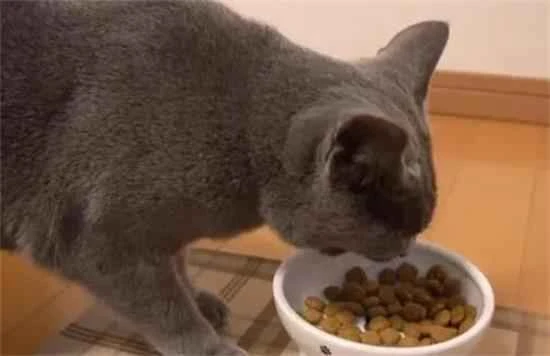
Salt is one of the no-nos in cat food. Cats need very little salt, and their sense of taste is poor. Too much salt can not only put a burden on their kidneys, but also cause their fur to become dry and brittle, and they may even lose hair.
3. Malnutrition
A well-nourished cat should have a soft, shiny coat. If the coat is dry, dull, brittle, and prone to falling out, it may indicate malnutrition. Cats with weak digestive systems, long fur, or a monotonous diet are more prone to shedding.
4. Low resistance to cat ringworm
Cats under one year old and over eight years old that suddenly experience excessive hair loss with dandruff at the hair roots, fragile fur that falls out easily when plucked, or even bare skin, should be closely monitored. Cats with weaker constitutions and lower immunity are more susceptible to ringworm. 
Methods to prevent cats from shedding:
1. If it is normal metabolism or shedding during menstruation, there is no need to pay too much attention. Just regular care is sufficient, and it will naturally subside after a period of time.
2. If hair loss is caused by nutritional imbalance, the owner needs to choose complete feed from a reputable manufacturer and can also mix in hair conditioner to increase the resilience and shine of the hair.
3. If hair loss is caused by ringworm or parasites, the owner needs to regularly treat the cat for external parasites.
4. You also need to bathe your cat regularly with special shampoo, 1-2 times a month, and brush its fur frequently.
5. Do not feed your cat foods high in salt. Take your cat out in the sun regularly to kill parasites and mites and promote the absorption of minerals and trace elements.