Why cute cats sometimes have bad breath:
1. Vitamin deficiency. When cats lack vitamin B, it affects their digestion and absorption, and can also lead to oral diseases, causing bad breath.
2. Oral diseases. Cats with stomatitis, tartar, oral ulcers, or food stuck between their teeth can all cause bad breath.
3. Unhealthy diet. Cats that eat too much meat, or are frequently fed human food, or consume oily, salty, or other irritating foods, will develop bad breath.
4. Indigestion. When cats suffer from gastrointestinal diseases, especially constipation or diarrhea, food ferments in their stomach and intestines, which will emit an odor through their mouths. 
5. Ketosis. If a cat has ketosis caused by diseases such as diabetes, its breath will smell like rotten apples.
6. Metabolic diseases. For example, kidney disease, especially in older cats. Toxins accumulated in the blood can cause bad breath in cats because the kidneys of older cats are no longer able to effectively detoxify and filter.
7. Diabetes. High blood sugar increases the burden on the body, weakening the immune system and leading to excessive bacterial growth. This can also cause unhealthy teeth and bad breath. If a cat has ketoacidosis, vomiting and diarrhea are standard symptoms, and bad breath will also occur.
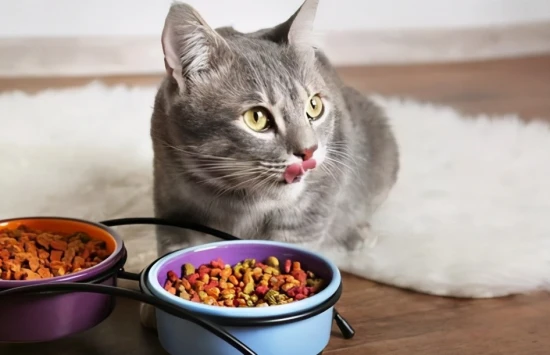
8. Food-related reasons. If you feed your cat soft food for a long time and don't brush its teeth, food residue will ferment in the cat's mouth, producing an unpleasant odor.
9. The cat just ate strong-smelling food. Most kittens already have bad breath, and if they eat strong-smelling food, any residue left in their mouths will also emit an odor.
10. Teething causing bad breath. Kittens start teething around three and a half months old, which can cause bad breath and bleeding gums. Owners can use a mouth spray to disinfect the area; this usually resolves after the teething period.