1. Reproduction methods and hunting habits
Cats are typically nocturnal animals; they hunt at night and rest during the day to recover their energy. Furthermore, their reproductive practices also influence their sleep habits. A mother cat's gestation period can last over 60 days, and after giving birth, she needs the energy to care for her kittens. Therefore, sleep is an essential physiological need for cats, whether for breeding or hunting.
In addition, cats are highly skilled hunters, and prey is not easy to catch. Therefore, in order to maintain sharp and efficient attention and reaction capabilities, cats must ensure sufficient sleep so that they can catch prey at the right moment.
2. Body structure and metabolic patterns
A cat's body structure and metabolic patterns are also factors that influence its sleep habits. Cats are agile and muscular, but their fur is often short and doesn't keep them warm, so they need a lot of sleep to regulate their metabolism and maintain normal bodily functions.
In addition, cats have a high metabolic rate and need more food to maintain their energy, so the extended sleep time reduces their activity costs to some extent. 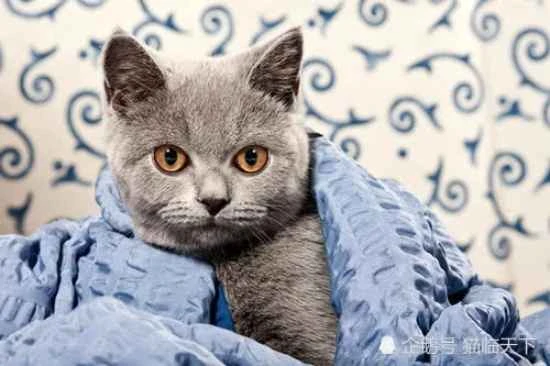
3. Psychological needs and environmental tranquility
For cats, sleep is not just a physiological need, but also a psychological one. They need a safe and peaceful environment to eliminate fear and stress in order to enter a deep sleep. This is why we often see cats looking for comfortable, warm corners or lying on their owners.
Noise, traffic, and human disturbances can all affect a cat's sleep quality. Therefore, if we want our pet cats to have better sleep, we need to create a quiet and comfortable environment for them.
4. Body temperature regulation and biological clock
A cat's thermoregulation and biological clock are also closely related to its sleep habits. Cats have a relatively high body temperature, and they regulate their body temperature and energy supply through sleep. In addition, cats' biological clocks are often quite accurate; they can sense the changes between day and night.
Therefore, when cats feel drowsy or sleepy, they will naturally fall asleep according to their biological clock. Of course, a cat's sleep time is also affected by environmental factors such as external light and temperature.
Summarize
These factors combined make cats super sleepers. We need to understand and meet their physiological and psychological needs, providing them with a safe and comfortable sleeping environment so that our lovely pet cats can enjoy long afternoon naps in good health.