10 Reasons Why Your Cat Won't Eat
A cat's refusal to eat can be caused by a variety of reasons, including its health, environment, eating habits, or psychological state. Here are 10 possible reasons why a cat might not eat:
1. Illness: Cats may lose their appetite due to illness, such as oral diseases, digestive problems, respiratory infections, or other chronic diseases. These diseases can cause pain, discomfort, or an inability to eat normally.
2. Dental problems: Damaged teeth or gingivitis in cats can cause them pain when chewing food, thus reducing their food intake.
3. Indigestion: If a cat has problems with its stomach or intestines, such as constipation, diarrhea, or gastritis, it may not want to eat. 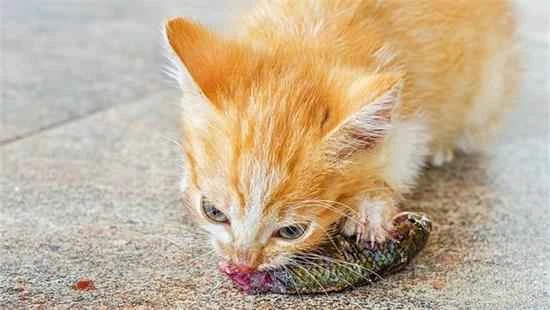
4. Environmental changes: Cats are very sensitive to changes in their environment. Moving, the introduction of new furniture, the arrival of a new pet, or changes in family members can all cause stress in cats, thus affecting their appetite.
5. Changes in eating habits: Suddenly changing a cat's eating habits, such as switching to a new brand or type of food, may cause the cat to refuse to eat.
6. Loss of appetite: Some cats may get bored of eating the same food for a long time and need their owners to provide a variety of food options to stimulate their appetite.
7. Psychological problems: Anxiety, depression, or other psychological issues can also cause a cat's appetite to decrease. These psychological problems may be caused by loneliness, lack of attention, or excessive stress.
8. Age factor: Older cats may experience a decreased appetite due to declining bodily functions. In addition, kittens may eat less during teething due to dental discomfort.
9. Medication side effects: Some medications may affect a cat's appetite. If your cat is taking medication, especially antibiotics or painkillers, it may experience a loss of appetite.
10. Parasitic infections: Infections with parasites such as roundworms and hookworms can also cause loss of appetite in cats. These parasites compete with the cat for nutrients, causing them to feel weak and uncomfortable.
Once you understand these reasons, owners can take appropriate measures to help their cats regain their appetite, depending on their specific situation. For example, if a cat is not eating because it is sick, it should be taken to a veterinarian promptly; if it is due to stress caused by environmental changes, try creating a quiet and comfortable environment to reduce its stress. At the same time, owners should also pay attention to changes in their cat's daily eating habits and behavior to identify and address problems promptly.