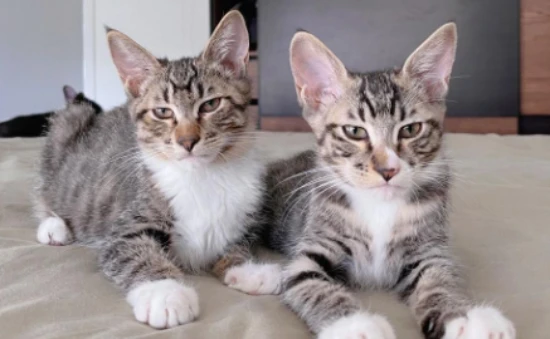
Raising a cat isn't something you can just decide to do with a simple "I want a cat." Once you decide to raise a cat, you have to be responsible for its entire life. Before raising a cat, you must prepare the following 10 items for it. These items will not only make your cat's life more convenient, but also help you better understand your cat and get along more closely with it. 
1. Toilet Box: If your house has two stories, two on each floor are more convenient. Plastic toilets with a shovel are best, as they are sold in the market. Choose a shallower one for kittens and a larger one for adult cats. The litter in the middle comes in washable and reusable types, as well as paper-based types. Choose the type that solidifies after urine. Simply discard the solidified, ball-like part; it's very easy, and these can be bought cheaply at pet stores.
2. Cat carrier: Choose a sturdy, well-ventilated carrier for taking your cat to the vet or when traveling. Some people use corrugated cardboard boxes instead, but those sold in the market that allow you to see inside are generally better. Cat carriers are mostly made of plastic or rattan, and come in three sizes to choose the right one. When choosing a carrier, prioritize its lightweight and sturdiness. If the carrier itself is very heavy, it will be difficult to move. After buying the carrier, try lifting it occasionally; this will make it much more convenient in an emergency.
3. Scratcher: Besides those sold in stores, you can also make your own. Commercially available scratchers are made of corrugated cardboard or blanket fabric, resembling a washboard. Corrugated cardboard products, especially those with plastic lids, are generally cheaper because you can easily replace the cardboard if it gets damaged. However, compared to blanket fabric products, they tend to produce more grime. You can also make your own scratcher by attaching fish cake board to the cat box and then covering it with a cloth your cat likes.
4. Cat Bowls: Prepare two cat bowls for your cat, one for food and the other for water. The bowls should be designed so that the cat won't easily tip them over, preventing mess from spilled food. If you have more than one cat, each cat must have its own bowl, as cats are clean animals and won't share. In addition, the bowls must be kept clean.
5. Cat food: Before bringing your cat home, ask the pet store or its previous owner what kind of cat food your cat was previously eating. If you want to switch your cat to a different food, you must first mix the old and new food together before feeding it to the cat; otherwise, it may cause the cat to have difficulty adapting. 
6. Cat litter: There are many types of cat litter, and owners can choose freely, such as wood shavings litter or tofu litter. Cat litter can be divided into coarse litter and fine litter. Generally speaking, coarse litter does not clump as well as fine litter, but fine litter produces more dust, which is bad for the cat's respiratory system.
7. Toys: Owners can prepare small balls, cat wands, or even make small paper balls for their cats to play with. Playing is a way to expend a cat's energy and is also the fastest way to build a bond with your kitten.
8. Cat bed: Prepare a box, cover it with a warm blanket, and place it in a warm, clean, and quiet place for the cat to sleep.
9. Scratching board: If you have an expensive leather sofa at home, it is recommended to buy a scratching board for your cat so that it can scratch its claws instead of using the leather sofa.
10. Comb: Whether a cat has long or short hair, it must be brushed regularly. Brushing can clean the cat's fur and prevent tangles. It can also remove dander, dust and other debris, and promote blood circulation, making the cat's muscles stronger.
Cats can be quite willful at times; they aren't as obedient and docile as dogs. However, this doesn't mean they're disloyal to their owners. As long as you treat your cat with your whole heart and take good care of its life, the rewards it gives you will be beyond your expectations.