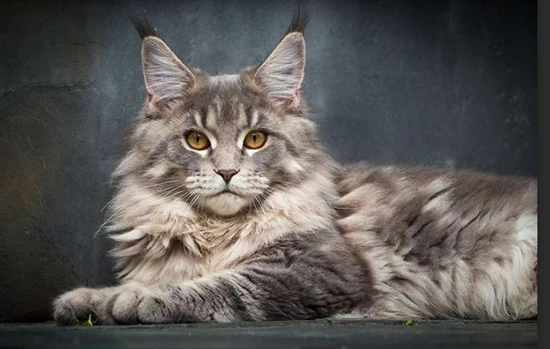
Whether cats should eat cat food or human food is a long-standing debate. Many owners insist on feeding their cats cat food, while others believe in feeding cats what humans eat. Everyone has their own opinion and refuses to give in. This article has compiled information on whether it is better to feed cats cat food or human food. Let's take a look, and hopefully it will help you better care for your cats. 
I. Why should cats eat cat food?
Cat food might give the impression of being artificially synthesized and having a limited range of ingredients. However, this impression is actually a misconception. Cat food produced by reputable pet food manufacturers is the result of years of research and development, using ingredients sourced from nature that contain all the nutrients a cat needs in the right proportions. The sterilization and disinfection methods are also appropriate to preserve the original nutritional components.
If you look closely at the cat food packaging, you'll find a detailed ingredient list and proportions.
Taking Royal Canin (sorry, I only have Royal Canin) indoor cat food as an example, the following is a list:
It contains 27% protein, 13% fat, 25.3% carbohydrates (7.6% ash, 5.7% fiber, 12% dietary fiber), as well as vitamins A, D, E, taurine, and minerals such as copper, iron, manganese, and zinc. These components are derived from rice, corn, poultry meat, hydrolyzed vegetable protein, dehydrated poultry liver, beet pulp, yeast, vegetable oil, fish oil, minerals, DL-methionine, L-lysine, taurine, trace elements, and vitamins.
Cat food is the true balanced diet, not the single food that people often misunderstand it to be. It is certainly not the "instant noodles" that pet owners only feed their cats when they are "lazy".
Furthermore, many people believe that cat food with a limited range of flavors is unfair to cats. This is not the case. Cats have a very poor sense of taste, much worse than humans, and can't distinguish many flavors. Conversely, their sense of smell is extremely sensitive, far exceeding that of dogs. Therefore, good cat food manufacturers prioritize aroma over taste, because cats will eat what smells good. Once they eat fish and cat food, there's no difference, so how can it be considered a limited flavor? They love canned food and wet food pouches, but it's not hard to see how fishy they smell, and what do they taste like? Raw fish is bland! Many pet owners find that their cats don't like "overnight canned food" taken from the refrigerator or thawed in the microwave. This is because the temperature change destroys the aroma molecules. Of course, it's also entirely possible that the cat noticed the canned food had spoiled overnight before we did… If pet owners really feel sorry for their cats eating the same food every day, they can simply vary the flavors. Royal Canin alone has so many flavors to choose from, not to mention the colorful canned foods available for variety.
Of course, cat food also has its problems; the issue of preservatives is a persistent one. However, compared to malnutrition, parasites, and bacterial infections, choosing the lesser of two evils is a sound principle. Moreover, since the advent of cat food, the lifespan of pet cats has clearly increased, not decreased, and data supports the benefits of cat food.
In conclusion, feeding cat food ensures balanced and reasonable nutrition, reduces the probability of parasite and bacterial infections, is easy to store, and various data indicate that it is beneficial to the health and longevity of cats. I cannot find any reason to replace cat food with homemade cat food or other homemade cat food. 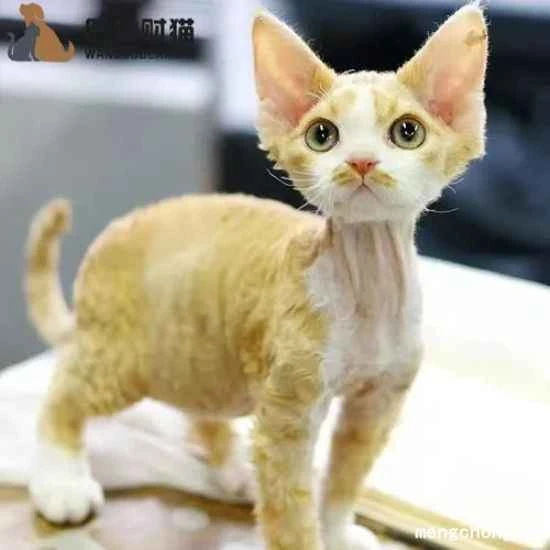
II. What are the dangers of cats eating human food?
Cats are carnivores, and their nutritional needs differ from humans. Many owners frequently feed their cats meat, fish, liver, or carrots, believing these foods are nutritious and appealing to cats. However, these foods are nutritionally unbalanced and can pose health risks to cats! Feeding cats excessive amounts of human food can also cause health problems. For example:
1. Milk is food and cannot replace water. As food, milk does not provide complete and balanced nutrition. Cats are not tolerant of consuming large amounts of milk, which may cause diarrhea in some cats.
2. Adding raw eggs to a cat's food can cause vitamin H deficiency. Symptoms of vitamin H deficiency include skin inflammation, hair loss, and slow growth.
3. Eating raw fish can cause vitamin B1 deficiency. Symptoms include anorexia (complete loss of appetite), abnormal body shape, weight loss, sudden heart attack, and even death.
4. Although cats like meat, meat is not a balanced diet. Raw meat may contain parasites, cooked meat may be high in fat, and the content of various nutrients is unbalanced.
5. Feeding cats large amounts of raw liver daily may cause vitamin A poisoning. It's obvious that feeding cats a nutritionally balanced diet already provides sufficient vitamin A.
6. Certain soft bones (like pork ribs and chicken bones) should not be fed to cats, as these can scratch or get stuck in a cat's mouth or throat.
7. Leftovers on the table cannot provide balanced nutrition and therefore cannot meet the nutritional needs of cats.
Cats and dogs should not eat salt, while much of our human food contains salt. Cats can tolerate small amounts, but long-term consumption will definitely cause harm to their health. Therefore, it is recommended to feed your cat high-quality cat food.