Cats' appetites are often affected by changes in their surroundings and temperature, or by eating unclean food, causing stomach discomfort and loss of appetite. They may also have other illnesses leading to gastrointestinal inflammation, which can impair digestion and absorption. If a cat cannot absorb the nutrients it needs, it will gradually lose weight. To improve stomach function, we often give cats stomach-soothing medications. There are various types of cat stomach-soothing medications available, and we can choose the appropriate one based on the specific symptoms. 
Most stomach medicines work by stimulating the organs to promote the secretion of gastric juice and saliva, enhance the digestive function of the stomach, and improve appetite. However, different drugs have different pharmacological effects, and their therapeutic effects are also different. Some stomach medicines that are for humans cannot be given to cats. Below are some stomach medicines that can be given to cats.
1. Strychnos nux-vomica
Strychnos nux-vomica seeds are the seeds of the nux vomica plant. When processed into appropriate preparations, they become a stomachic, typically in the form of strychnos nux-vomica tincture or fluid extract. It tastes extremely bitter, hence its reputation as a bitter stomachic. Strychnos nux-vomica can be used to treat loss of appetite caused by indigestion. Some might ask, "Why would something so bitter like strychnos nux-vomica stimulate a cat's appetite?" Research shows that when cats ingest bitter medicines like strychnos nux-vomica, although they are very bitter, they stimulate taste receptors on the tongue. This, through a nerve reflex, excites the cat's cerebral cortex's food center. With the food center stimulated, the cat's gastric juices and saliva secretion increase, thus enhancing its appetite.
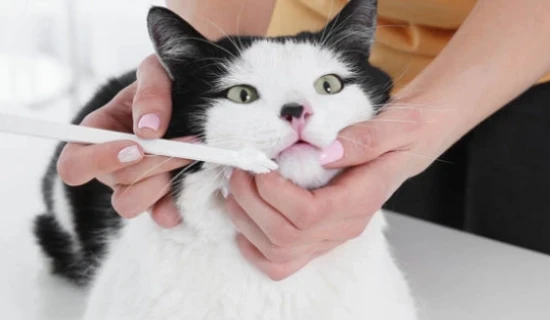
When administering strychnine to cats, it is crucial that it be given orally. Oral administration ensures the cat experiences a bitter taste, stimulating its taste receptors. The timing of administration is also critical; generally, strychnine should be given 5-30 minutes before feeding. It is especially important to note that the dosage should not be excessive. Large amounts of strychnine can cause poisoning in cats, and excessive amounts of antacids can inhibit gastric acid secretion. Generally, 0.01-0.06 ml is sufficient.
II. Aromatic Stomachic Drugs
Aromatic stomachic herbs are a class of traditional Chinese medicines with distinctive aromas and a spicy or bitter taste. Dried tangerine peel (Chenpi) is one such aromatic stomachic herb. Chenpi is made by drying tangerine peel in the sun; it has a bitter taste. Therefore, Chenpi can stimulate the digestive tract mucosa and increase gastrointestinal motility, making it very effective for indigestion and bloating.
Other common aromatic stomachic agents include ginger and garlic. Ginger is the common spice we buy at home. As anyone who has eaten ginger knows, it has a spicy taste. Therefore, giving it to cats can stimulate the gastrointestinal mucosa, promote the secretion of digestive juices, and increase appetite. Ginger can also inhibit bacterial fermentation in a cat's gastrointestinal tract.
Although garlic has a strong flavor that many people dislike, it is very effective in inhibiting bacterial growth and can also inhibit the growth of parasites in a cat's stomach. Feeding a cat some garlic appropriately can promote appetite and relieve indigestion and bloating.
III. Digestive Tablets
Commercially available pet digestive aids are specifically designed for pets. They are effective in strengthening the spleen and stomach, aiding digestion, promoting intestinal peristalsis, clearing intestinal waste, and improving the digestive tract environment. They can be used for gastrointestinal stagnation and bloating, indigestion, loss of appetite, vomiting caused by indigestion, and other digestive issues. Most pet digestive aids contain probiotics, which have a beneficial effect on the pet's gastrointestinal tract, purifying it and secreting various active enzymes to promote digestion.
Of course, while the above are all suitable medications for cats to improve their digestion, in actual selection, we still need to consider the symptoms and the ease of obtaining them.