In summer, the sun beats down relentlessly, and the earth radiates intense heat. Even the slightest breeze is blown away, and the oppressive heat makes you dizzy. We enjoy this natural sauna in the city, yet we suffer terribly. If humans are like this, our pets, who don't have much of a knack for escaping the heat, are also suffering. They squeal in pain from the scorching earth, breathing in the suffocating air, and nearly driven mad by the all-encompassing heat. The only difference is that we can't understand their language. 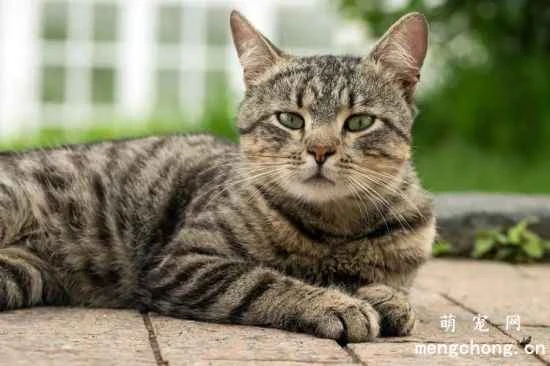
In summer, cats are also lazy. After all, they don't have the daily routines of work and study like humans. Why would they bother going outside to experience the heat and show off their heroism? Cats aren't that silly, nor do they have that much leisure. Although they are simple-minded and usually only know how to eat, drink, and relieve themselves, they still have a sensitive sense of some basic things. At most, they will hide in the cool shade of trees or the shadows of eaves, squinting as they watch us sweating profusely in the sun, secretly mocking human foolishness.
Of course, these cats are considered among the best of the best; they know how to enjoy life and what's good for them. However, not all cats are so clever. Some cats are quite silly. On a sweltering day, they get incredibly excited and start fussing from morning, wanting their owners to take them outside. When their owners refuse, they bite and scratch. Finally, the owner gets angry, opens the door, and tells the cat, "If you want to go out, get out yourself!" The cat then happily rolls out, kicking up a cloud of dust behind its tail. Less than an hour later, the cat returns, its ears drooling, drooling, its eyes glazed, and its limbs limp. As soon as the door opens, it collapses onto the floor. With its last ounce of strength, it raises its trembling paw and writes five large words on the floor with its drool: "Help! I have heatstroke!"
Some of the above jokes shouldn't be taken too seriously, but it's undeniable that some cats don't know how to take care of themselves in the summer. Neither the cats nor their owners know how, so some cats become lethargic in the summer. If not properly cared for, they become listless, have poor appetites, are prone to heatstroke, and are more susceptible to parasites. Summer cat care requires careful attention, both in terms of diet and daily grooming.
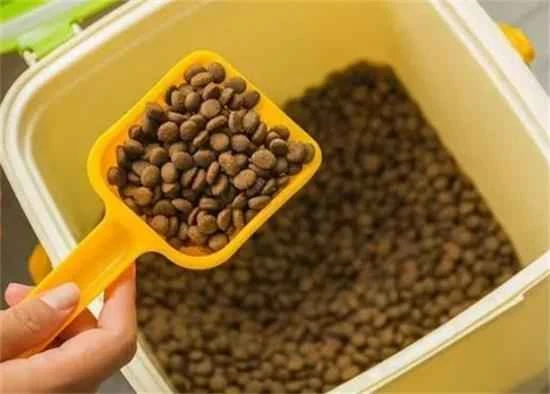
First, regarding diet, summer temperatures are high and the air is humid, making food spoil easily. Always check the food before feeding your cat to ensure it's fresh; expired or rotten cat food should absolutely not be given to them. Furthermore, cats should be fed bland and palatable food in the summer; any spicy or stimulating foods should be strictly avoided. In addition, provide your cat with plenty of water every day, ensuring it has access to water at all times. Remember, water is absolutely essential for a cat's daily life. 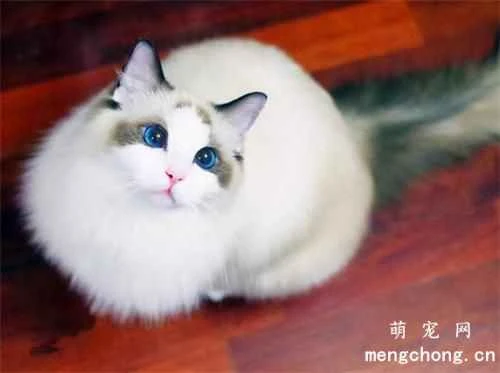
Secondly, high summer temperatures can reduce a cat's appetite, so it's important to reduce the amount of food provided to prevent spoilage and waste. Without proper control, cats often don't finish their food, resulting in leftovers at each meal. Overeating can lead to indigestion or acute gastroenteritis.
In summer, leftover food after each cat meal should not be left out for extended periods. It must be completely removed from the food bowl before the next feeding and should not be reused. This is especially true for food mixed with canned food; it's best to discard this mixture after the cat has finished eating. Cat food bowls should be washed and disinfected frequently, ideally once a day.
In terms of care, it's essential to pay attention to daily grooming to keep your cat clean and healthy, and prevent parasite infestations. As owners, we should brush our cats daily, brush their teeth regularly, clean their ear canals, and remove their anal glands. We should also wash their faces regularly and trim their toenails and the fur around their toes.
It's important to note that cats are particularly susceptible to heatstroke in the hot summer months. Severe heatstroke can be fatal for cats. Therefore, it's crucial to take extra precautions to prevent and cool down your cat during the summer. Avoid taking your cat outside when it's hot and the sun is directly overhead. If your cat unfortunately suffers from heatstroke, immediate first aid is necessary. If a cat suddenly becomes ill in the hot summer, exhibiting a significantly elevated body temperature, difficulty breathing, a rapid and weak pulse, and unsteady gait, heatstroke should be suspected. In this case, you must quickly move the cat to a well-ventilated, shady area, wipe its body with cool water, place ice packs or ice cubes on its head, and you can also administer a cold water enema to help lower its temperature.
When a cat shows signs of dehydration: If it's mild dehydration accompanied by electrolyte imbalance, you can supplement its diet with water and nutrients to prevent and replenish it. In cases of severe dehydration and inability to eat, other methods should be used to provide fluids. Of course, it's best to take the cat to a veterinary hospital as soon as possible for intravenous fluid therapy to maintain hydration.
In hot weather, try not to let your cat go out unless necessary. It's better to take your cat for a walk in the evening after the heat has dissipated a bit. It's easier and less tiring for your cat to stay at home. However, be careful when using air conditioning. Don't set it too low, or your cat will catch a cold, which will be a hassle.