A cat's glossy coat is always a beautiful sight. Not only does it attract attention, but it also serves many physiological functions, such as providing warmth and protection. It plays a vital role in a cat's physiology. As an owner, you naturally don't want to see your cat's fur become dirty and messy. To keep your cat's coat healthy, you first need to understand the relevant knowledge about the cat's coat system.
Skin and fur form a strong barrier for cats, preventing water loss, resisting certain mechanical injuries, and protecting the body from harmful physical and chemical effects. In cold winters, skin and fur provide excellent insulation, giving cats a strong ability to withstand the cold. In summer, the fur acts as a major radiator, helping to lower body temperature. 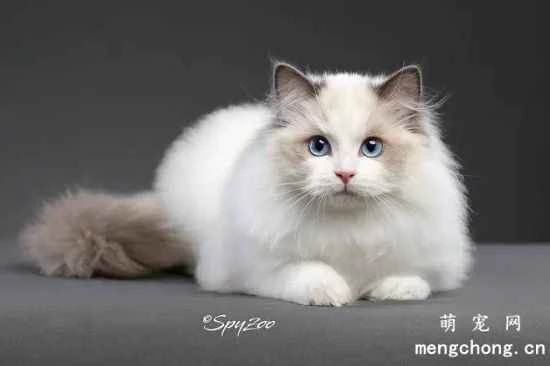
A cat's skin contains many receptors that can sense changes in the internal and external environment. These receptors can sense one or more stimuli, such as cold, heat, touch, pressure, and pain.
A cat's coat system is divided into the following parts:
1. Hair
The difference between a cat's whiskers and a human's is not significant. However, cats' nails often have a quick (blood vessel) that humans don't have. Therefore, it's easy for a cat to bleed when trimming its nails. But don't panic about this bleeding. Healthy or mature cats clot easily, and you'll usually find that the quick gets shorter with each trim, and it may not bleed the next time you trim the same spot. Besides whiskers, most cat hair follicles consist of one main hair and several accessory hairs, while human hair follicles only have one hair. Therefore, after bathing your cat, be sure to thoroughly dry it. Often, the longer main hair is dried, while the deeper accessory hairs remain damp. This makes them more susceptible to chilling, and it also creates a breeding ground for bacteria in the hair follicles (most bacteria thrive in damp, poorly ventilated environments).
Cat hair grows from hair follicles in the skin, which are long, thin, pouch-like structures. There are two types of cat hair follicles: isolated follicles that grow only one hair, and compound follicles that grow multiple hairs. Compound follicles are the predominant type. Therefore, a cat's fur is very dense, with approximately 200 hairs per square millimeter. The fur can be divided into guard hairs and downy hairs. Cats also have sebaceous glands and sweat glands in their skin. The secretions from the sebaceous glands are oily, which makes the fur shiny and smooth. Cats' sweat glands are underdeveloped and therefore do not participate in body temperature regulation like human sweat glands. Cats dissipate heat through skin radiation or respiration.
2. Skin
Cats' skin is much thinner than humans', and dogs' skin is even thinner than cats', so dogs are far more prone to skin diseases than cats (cat owners can laugh). Additionally, cats' skin is intolerant of acids and alkalis, so grooming cats requires stricter selection of shampoo. Human shampoo should absolutely not be used, and cat shampoo must be diluted according to the instructions before use, and thoroughly rinsed afterward, otherwise it will cause skin damage. Furthermore, cats' skin requires a more balanced oil-water ratio; bathing too frequently can disrupt this balance, leading to dry, brittle, and dull skin. Generally, it's recommended to bathe dogs once a week in summer and once a month in winter (but this may vary by breed). Cats can be bathed less frequently. Most common clinical skin diseases are caused by improper bathing.
3. Skin glands
These glands, including sweat glands (dogs and cats do have sweat glands, but they are less developed) and sebaceous glands, help improve the skin's resistance to external pathogens. However, the function of these glands is in a dynamic balance; excessive or insufficient function can lead to skin diseases. For example, if the ceruminous glands in the ear canal are overactive, they will secrete excessive amounts of glandular fluid, leading to ear canal hyperplasia and inflammation, ultimately causing various ear diseases. Overactive sebaceous glands can cause pustules on the skin. Overactive anal glands can cause anal gland inflammation. Insufficient gland secretion, on the other hand, can make the skin unable to resist various external bacterial infections. 
How to care for a coat's fur?
Cats are naturally clean animals, so they frequently lick themselves to remove dirt and groom their fur. However, this doesn't mean they should be left to their own devices for grooming. Even the softest fur has areas their tongues can't reach, especially long-haired breeds. It's difficult for a cat to keep its fur clean on its own, so the owner's help is essential. Daily grooming not only removes dirt, fleas, and prevents hairballs, but brushing and combing also promote blood circulation and skin metabolism. Regularly petting your cat allows you to check its health. Most importantly, it's a time for interaction between owner and cat. Gentle strokes and soft murmurs help calm a cat. Initially, a cat might dislike being petted, but with daily practice and as it becomes a habit, it will enjoy it.
In addition, we can also clean our cats' fur using conventional methods.
For fur care, cat-specific products include shampoo, conditioner, powder, nail clippers, and combs, all of which can be purchased at pet stores. When using a comb, use a wide-toothed one for grooming the entire body; a close-toothed one for catching fleas; and a small comb for grooming the face. Steel combs can be used semi-permanently and can be sterilized at high temperatures. As for nail clippers, human nail clippers are too thin and long for cats, so cat-specific clippers are essential.
In addition, items such as brushes, hair dryers, scissors for trimming fur balls, cotton swabs for cleaning ears, and cat oil do not necessarily need to be cat-specific.
Use animal hair brushes that don't easily generate static electricity. Soft brushes are suitable for long-haired breeds, while stiffer brushes are suitable for short-haired breeds. Use blunt-tipped scissors to trim lint balls to avoid injuring the skin. You can also use cosmetic scissors or nose hair trimmers instead.
Owners should brush their cats regularly. This process helps to clean up loose fur, preventing it from spreading throughout the house and also preventing cats from swallowing it and forming hairballs.
Finally, let's talk about the cat's diet. Many owners may wonder, what is the relationship between diet and the health of a cat's coat? Veterinarians say that if a cat frequently eats overly salty food, it is very likely to cause hair loss.
Besides the factors mentioned above, there are other factors that affect coat health, such as taking your cat out for walks and letting them get some sunshine. Also, avoid putting your cat under stress or experiencing fear. If you pay close attention to these things in your daily life and have enough patience to do everything properly, your cat's coat health will definitely not be a problem.