Cats' diets are very different from humans'. Never choose food for your cat based on your own preferences, as this can result in an unbalanced nutritional profile. To feed a cat properly, you must know what nutrients they need. 
Like other mammals, cats require six essential nutrients: protein, carbohydrates, fats, minerals, vitamins, and water. Except for water, these nutrients do not exist independently but are contained within their food. Therefore, cats must obtain these six nutrients from their food. Although the types of food cats consume vary, the nutritional content will not exceed these six categories. These nutrients exist in a molecular state within the diet. The types and amounts of nutrients contained in different types of food vary. Therefore, food is the primary source of nutrients and the material basis for maintaining normal life activities. The various nutrients play different roles in a cat's body, yet they are interconnected and mutually influential.
Body fat is an important substance for storing and supplying energy, producing more than twice the heat of carbohydrates and proteins. Fat also serves as a solvent for tissue cells and fat-soluble substances. Once inside the body, fat is gradually broken down into fatty acids, which are then absorbed. Most fatty acids can be synthesized in the body. However, some unsaturated fatty acids cannot be synthesized in sufficient quantities and must be obtained from food; these are called essential fatty acids, and cats are prone to this condition.
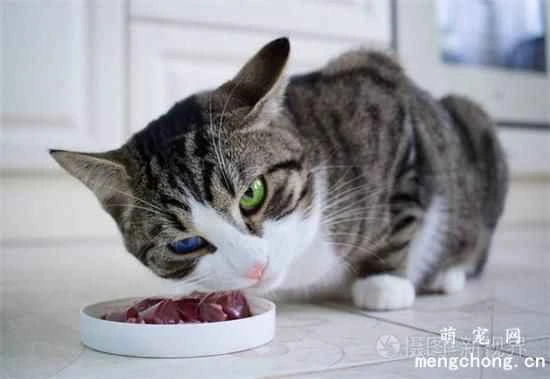
Protein is the most important nutrient for cats, playing a vital role in maintaining their health, promoting growth and development, and ensuring tissue repair—a role that cannot be replaced by any other nutrient. After entering the digestive tract, protein is broken down step by step, eventually becoming amino acids that are absorbed by the body. Amino acids are divided into essential amino acids and non-essential amino acids. Essential amino acids cannot be synthesized in the body, or their synthesis is too slow or insufficient to meet the needs of a cat's growth and development; these amino acids must be obtained through food. Cats require a variety of essential amino acids; therefore, it is essential to provide them with a protein-rich diet. Generally speaking, animal protein is more suitable for a cat's nutritional needs than plant protein. If cats are fed high-protein foods such as meat, fish, eggs, and animal organs, they will grow and develop quickly, be robust, and have strong disease resistance. Fresh meat and fish, in particular, are more palatable to cats. Long-term feeding of a low-protein diet will lead to poor growth and development, weight loss, decreased appetite, dull and brittle fur, and increased susceptibility to disease.
If your cat is an older adult, feeding it only meat-based cat food will definitely lead to calcium deficiency. If you can provide your cat with cat food containing a variety of nutrients, its diet will naturally achieve a balanced effect. If you already have an older cat, it will be very difficult to change its diet, which is already accustomed to cat food. You will need to put some effort into its future food, adding some fiber-rich foods. This can help bring it back from the brink of death.