If a cat's ears aren't cleaned regularly, they are prone to bacterial growth, infection, and inflammation. A healthy cat's ears are small and delicate, and have a pleasant fragrance. Conversely, an infected or inflamed ear will have an unpleasant odor when you get close to it. This could be due to earwax buildup, or it could be an ear infection such as otitis externa. 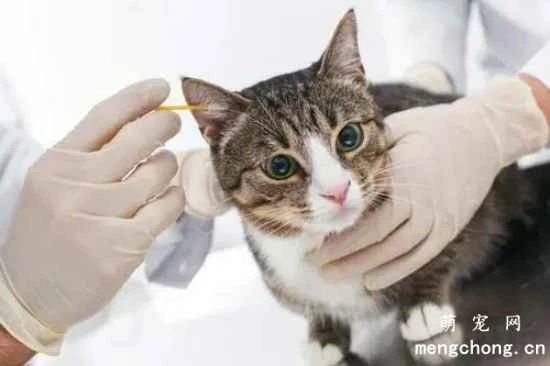
I. Otitis externa
This disease is caused by bacteria, fungi, or parasites such as ear lice. Water getting into the ear or injuries from improper ear cleaning can also cause it. Initially, the cat experiences intense itching in its ear, causing it to constantly shake its head and scratch its ears. Soon, slightly blackish earwax appears with an unpleasant odor. The eardrum ruptures, blisters and pustules appear, eventually progressing to otitis media. At this point, the ear stops itching and becomes extremely painful, so the cat will dislike having its ears touched.
Be careful not to get water in your cat's ears while bathing it until the otitis externa is cured. Since cats don't like their ears touched, anesthesia should be administered first for a more accurate diagnosis.
II. Otitis media
Otitis media and otitis interna in cats are inflammations of the tympanic cavity, often occurring simultaneously or sequentially. Otitis media can develop due to worsening of otitis externa or hematogenous infection of the middle ear; if it leads to otitis interna, it can affect hearing and balance, causing abnormal movements and tilting the cat's head to the infected side. Prompt veterinary treatment is necessary to prevent permanent hearing loss. Most cases involve the spread of severe otitis externa or infection of a slightly perforated tympanic membrane. Pathogens (such as Staphylococcus, Streptococcus, and Pseudomonas) spread to the tympanic membrane through the external auditory canal and eustachian tube, while infection can also occur via the bloodstream.
Otitis media in cats is often caused by otitis externa, primarily by bacterial, ear mite, and fungal infections. Bath water entering the ear is a common trigger, and infection can also occur through the bloodstream. It usually involves simultaneous occurrence of middle and inner otitis.
Treatment: ① Anesthesia; ② Irrigate the affected ear with medication, repeatedly rinsing until the aspirated fluid is clear; ③ Systemic antibiotics; ④ Instill anti-inflammatory ear drops; ⑤ Intravenous fluids to replenish nutrients and electrolytes. For cases where the tympanic membrane is intact but the tympanic cavity is swollen and congested, tympanostomy is performed. This facilitates cleaning, reduces pressure, relieves pain, eliminates inflammation, and prevents permanent hearing loss. The cure rate is lower for chronic otitis media or cases with a ruptured tympanic membrane.
III. Otitis media
Mange is caused by microscopic mites. Several types of mites cause mange. It is the most common type of inflammation of the external ear canal in cats. Mange is caused by mites that parasitize cats. They begin as small, hard, round bumps on the skin. These bumps progress to crusts, scabs, and inflammation, typically occurring on the upper edge of the ear and other parts of the body. The itching is intense. Ear mites are transmitted through direct contact with infected animals.
Cats with ear mites will scratch intensely and constantly around their ears, head, and neck. Symptoms include head shaking, redness, hair loss, crusting, and grayish-yellow scabs.
IV. How to clean your ears?
Pet cats have their own way of cleaning their ears, but when a cat's ears are filled with dark ear scabies, the owner should help clean the dirt out. Before cleaning the cat's ears, first relax the cat and get it to behave quietly and stay in one place. Then, dip a cotton swab in baby oil and clean the ear canal where it's visible. You can clean the cat's ears after a bath. Dry any remaining water from the ears, then use a cotton swab dipped in baby oil to clean them.
Precautions for cleaning a cat's ears:
1. First, use one hand to spread your five fingers into a fan shape to pinch the cat's ear flap, and then clean it cleanly and neatly.
2. When a cat is being cleaned and is irritable, you can cover its head with a towel to block its view and prevent it from making any aggressive moves. This will also make it easier for the owner to clean the cat's ears.