What are the health risks of long-term cat ownership? We understand they are as follows:
1. Allergies: If you have an allergic constitution, keeping a cat for a long time may cause excessive shedding, which can irritate the skin and trigger allergic reactions, mainly manifested as itchy skin and red papules. Patients can take medications such as loratadine tablets and cetirizine hydrochloride capsules under the guidance of a doctor to achieve anti-inflammatory and anti-allergic effects.
2. Cat scratch disease: Cat scratch disease is an infectious disease caused by Bartonella henselae. Symptoms typically include erythema, papules, and localized lymphadenopathy. Patients can be treated with medications such as gentamicin sulfate capsules and azithromycin capsules as prescribed by their doctor.

3. Toxoplasmosis: This disease is caused by infection with Toxoplasma gondii. If a cat's hygiene is not maintained, a large number of parasites may develop, easily leading to infection. Most patients will experience symptoms such as dizziness, headache, blurred vision, and loss of appetite. Patients can use medications such as pyrimethamine tablets and sulfadiazine tablets as prescribed by a veterinarian to improve their condition.
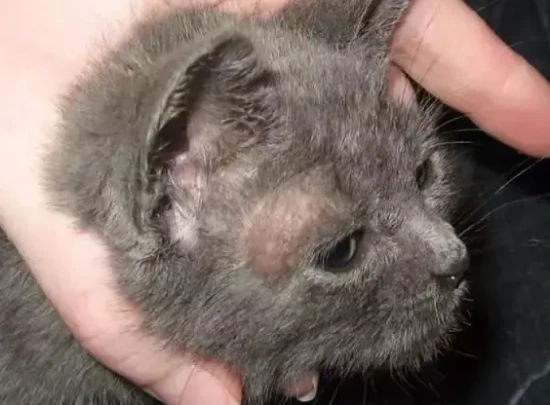
4. Ringworm in cats: This is usually caused by a fungal infection and is contagious. Symptoms typically include scaling and itching. Patients can use medications such as ketoconazole cream or miconazole nitrate cream as prescribed by their doctor for relief.
5. Rabies: If you are accidentally bitten by a cat, your body may be infected with the rabies virus. Clinical manifestations often include fear of wind, hydrophobia, and pharyngeal muscle spasms. It is recommended to seek medical attention promptly to treat the wound and receive a rabies vaccine as prescribed by your doctor.