Understanding cat language requires a certain level of observation and comprehension skills. Here are some suggestions to help you better understand cat language:
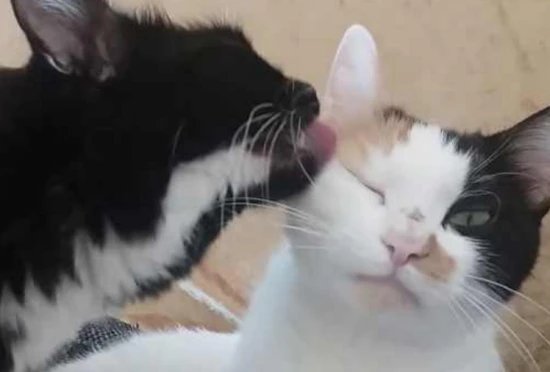
Observe your cat's body language: Cats have a rich body language, expressing emotions and intentions through body posture, tail, ear, and eye movements. For example, a cat's ears tilting back may indicate fear or anxiety, while a wagging tail may indicate happiness or welcome.
Listen to your cat's voice: A cat's voice is also an important way of expressing emotions. They make various sounds, such as meowing, purring, and growling, each representing different emotions and intentions. For example, meowing usually means that the cat needs food, water, or attention, while purring indicates that it feels comfortable or content.
Understanding your cat's daily habits: Observing your cat's daily habits can help you better understand their language. For example, if a cat licks you, it may be indicating that it likes you or is grateful to you, while rubbing against your legs may indicate that it wants to establish a close relationship with you.
Try communicating with your cat: Communicating with your cat can help you better understand their language. You can imitate their sounds or movements, or use specific words and phrases to communicate with them. For example, you can use "meow" to indicate that you understand what your cat means, or use "pat" to indicate that you want to pet it.