When interacting with cats, we need to pay attention to their dietary health. Some foods are dangerous for cats, and may even be life-threatening. These are 8 foods that cats "should not eat," yet many owners frequently feed them!
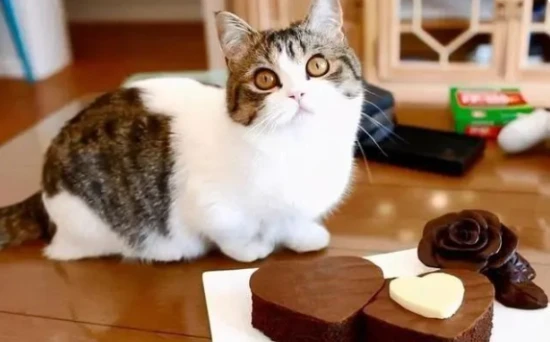
chocolate
Theobromine in chocolate is a toxin for cats, as they cannot effectively metabolize and excrete it. Small amounts may cause vomiting and diarrhea, while large amounts can trigger seizures, heart rhythm disorders, or even death. Therefore, chocolate is a food that cats should absolutely avoid.
grapes and raisins
Grapes and raisins contain unknown toxins that may damage a cat's kidneys. Even small amounts can cause symptoms such as vomiting, diarrhea, and loss of appetite in cats. If you find that your cat has ingested grapes or raisins, seek veterinary help immediately.
caffeine and theophylline
Coffee, tea, cola, and other beverages contain caffeine or theophylline, which are toxic to cats. Excessive intake can cause symptoms such as vomiting, diarrhea, and arrhythmia in cats. Therefore, cats should avoid being given foods and drinks containing caffeine or theophylline.
scallions and onions
Components in onions and scallions can damage a cat's red blood cells, leading to anemia and breathing difficulties. Therefore, any food containing onions and scallions should be avoided for cats.
Xylitol
Xylitol is a sweetener used in many chewing gums and some candies, but it is toxic to cats. Ingesting xylitol can cause symptoms in cats such as low blood sugar, vomiting, and diarrhea. Therefore, you should avoid exposing your cat to foods or chewing gum containing xylitol.
High-fat foods
High-fat diets can lead to problems in cats such as pancreatitis, cardiovascular disease, and obesity. Excessive fat intake can also cause digestive issues like vomiting and diarrhea. For your cat's health, choose low-fat foods and control their portion sizes.
High-salt foods
Cats' kidneys cannot process excess salt, so a high-salt diet can lead to kidney problems. Long-term consumption of a high-salt diet can also cause vomiting and diarrhea in cats. Therefore, owners should control their cats' salt intake and feed them low-salt cat food to maintain their health and extend their lifespan.
raw meat and raw fish
Raw meat and fish may contain large amounts of bacteria, parasites, and other harmful substances, such as Salmonella and Toxoplasma gondii. These bacteria and parasites can cause digestive, neurological, and immune system problems in cats.
Therefore, for the sake of your cat's health, avoid feeding them uncooked meat and fish. You can feed them cooked meat regularly or buy them meat treats, which are more convenient.
Conclusion: Do you know any other foods that cats shouldn't eat?